
Planting hope
"To plant a garden is to believe in tomorrow, " said Audrey Hepburn apparently, in her humanitarian phase. It’s a concept that all gardeners understand and I can't think of a better one for the first Sunday of October.
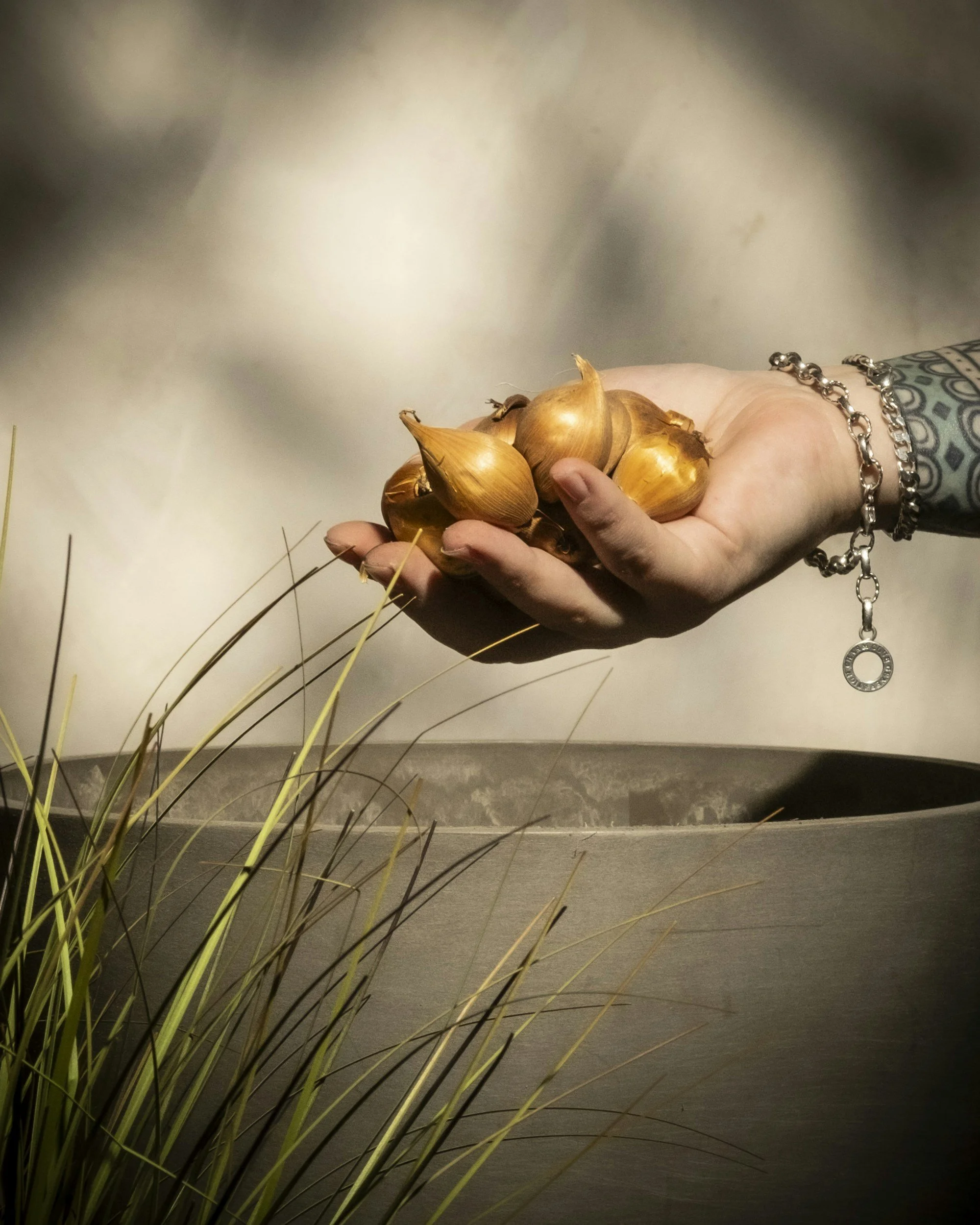
I promised myself there would be no excuses this year, and I'm overjoyed to report that the bulbs have finally made it out of the kitchen. Some years they have made a brief trip to the shed and are unearthed in January, looking rather sorry for themselves. This year there are daffodils going in in guerilla gardening style in the grass verge outside, a scattering of alliums for late spring in the borders and some tulips in pots by the door. Kneeling in coldish soil with a trowel and a mug of coffee going lukewarm on the garden table, I thought once more about how bulbs are an act of faith

Shine on Harvest Moon
Almost the end of September. The Autumn Equinox. A Full Harvest Moon. A slight nip in the air. The earth is in balance, and it's the perfect moment to look back and look forward.
Around here, the winter wardrobe is coming out, boxes of bulbs are waiting on the kitchen floor (last year's bulbs made it as far as the shed, only to be unearthed in January, so this year there are NO excuses), and any spare minute is spent putting the garden to rights for next year. There's a fine crop of quince to harvest, even if the apples were poor.
Harvest is one of my favourite festivals. At next week's Harvest Supper we'll share food, fun and news with friends we haven't seen for a while. It's a time to be thankful and to connect before moving indoors for the darker months.
The September Garden
“It was September, and there was a crackly feeling to the air.”
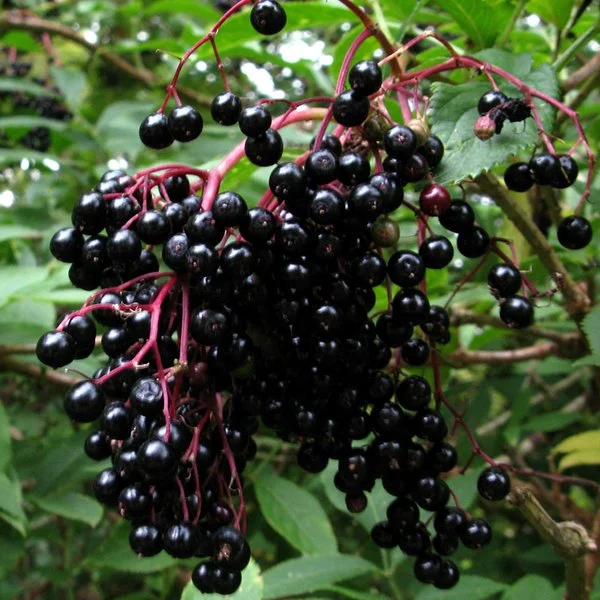
There’s a nip in the air when I go for an early morning wander around the garden. Spiders’ webs glisten on the hedge; a faint smell of woodsmoke in the air; the borders are a riot of golds, oranges and deep, deep purples; and of course there is foraging to be done. Somewhere nearby lustrous bunches of elderberries hang just within reach. I love them even more than the blackberries and gather them in my basket, carrying them home to make elderberry tincture, surely the easiest of all my elderberry concoctions. I have my eye on a bumper crop of sloes but should wait until the frost has touched them. It’s a race between me and the birds. If I get too impatient, I’ll gather them anyway and pop them in the freezer.

Tiny Steps
I sat opposite a client this week and she said the words I hear more than almost any other in this job: "I know what I should be doing but I just can’t seem to start."
She isn't alone. I've heard versions of this from Sixth Formers staring at a blank revision timetable, the widower who hasn't opened his wife's wardrobe in over a year, the client three weeks into a bereavement who can't face answering the phone, friends and family members, even myself. All of us are waiting for something to arrive before we act. A feeling. A readiness. The right day.
It doesn't come, because that’s not how it works.
We've got the order backwards
The Power of Routine and Ritual
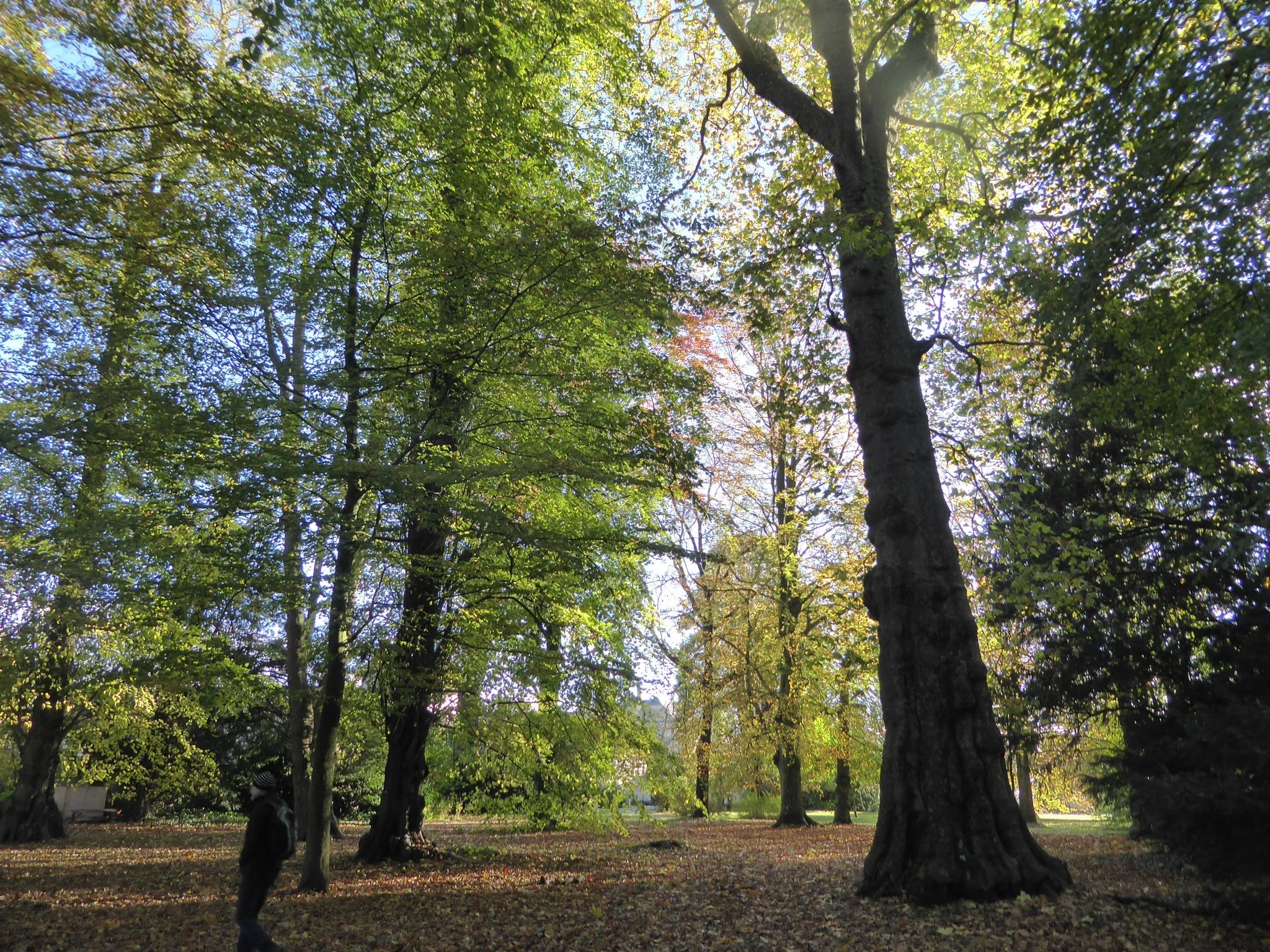
Another September and the start of the school/agricultural/gardening year and I am to be found wandering around a local National Trust landscape. It's a ritual I've been embracing for over thirty years. The early September ramble as a teacher, then a mother, then both has marked the boundary between the lazy days of Summer and the more structured back-to-school life that September introduces. It's bitter sweet but life ought to be full of ebb and flow, ice creams and homemade soup, holidays and workdays, freedom and structure.
Let's be clear. I am queen of spontaneity; I prefer to choose what's for supper on the way home from work rather than to formulate a menu and shopping list for the week ahead.
BUT
I have decades of lived experience to illustrate that when routine and structure disappear out of the window my mood, productivity, positive relationships and general wellbeing go too.

The power in being good enough
The Good Enough Teacher: What Winnicott Can Teach Us About the Classroom
I loved teaching but it took me a while to embrace the concept of being good enough. Not good enough but good enough. What I mean is to be comfortable with being good enough, to have boundaries, to maintain a work-life balance, to work smarter rather than harder and to have a personal wellbeing target on your annual appraisal which was more meaningful than ‘go for a ten minute lunchtime walk once a week’. (This was a real target!)
A lifetime ago, when I was a young Mum at home with her three very small children I stumbled across a copy of D W Winnicott’s book The Good Enough Mother and it changed my life. Some time before I had been gifted Gina Ford’s The Contented Little Baby (AKA Infant Boot Camp) I love a routine but this one read like a survival manual written by a drill sergeant and so I had successfully ignored other parenting manuals until I came across Winnicott in a charity book shop.
Winnicott offered relief. Guess what? You don't have to be a perfect mother. In fact, he argued, you shouldn't try to be. What children need is "good enough”; someone who meets their needs closely at first, then gradually, tolerably, fails to meet them, giving children room to discover their own resources.
Like all good ideas it's a simple but with large implications. And it turns out that it translates remarkably well from home to school.
The August Garden
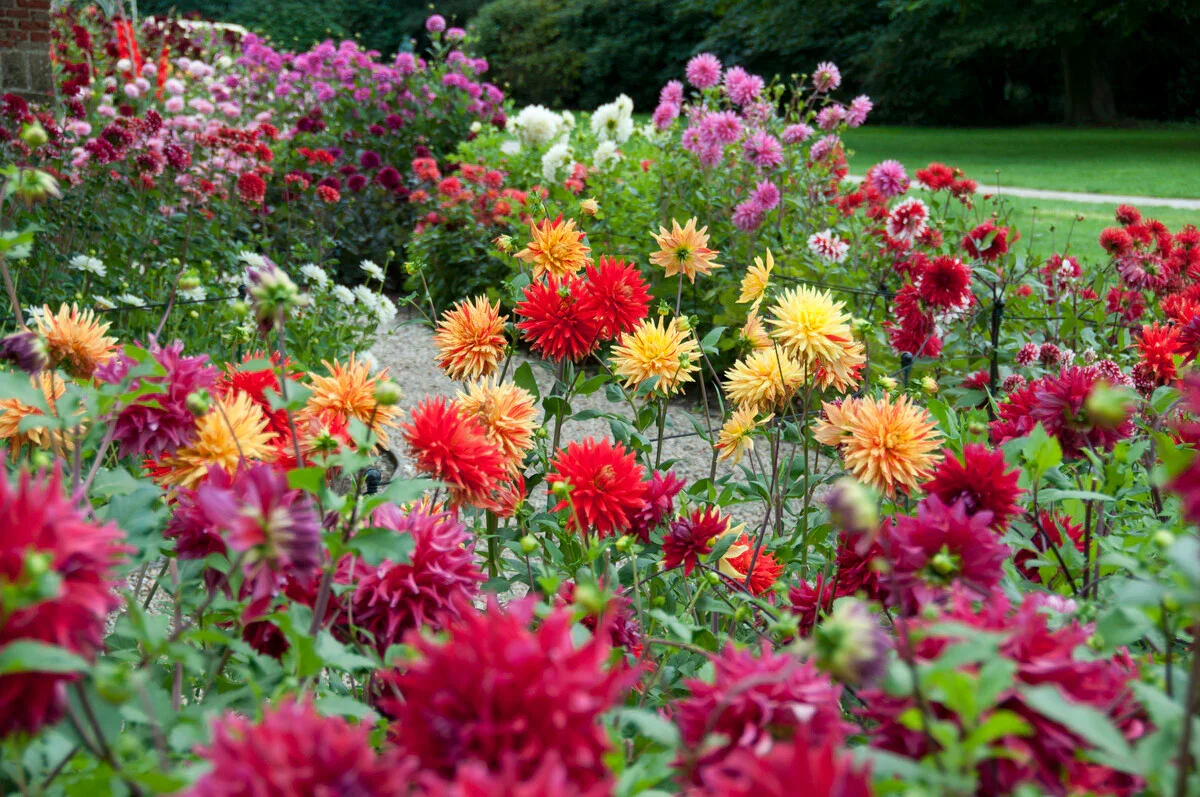
August brings “the promise of golden sunsets, reminding us to find beauty in every ending.” I’m quite good at endings. It comes with practice I suppose – all those exam classes and drama productions which require your eyes to be fixed firmly on the end of the ‘project’ from the very beginning. Despite being the height of the school summer holiday (except in Scotland), August seems more like a beautiful ending. Harvest is in full swing; the leaves are turning; there’s plenty to forage in the hedgerows; chutney-making starts in earnest and if you’re lucky there’s a trip to a sunflower field, a saunter round a maize maze or a beach sunset to enjoy. This year, more than ever as the drought and high temperatures has brought everything forward. My garden is awash with brown leaves and I’ve been picking blackberries for weeks.
There’s no better way to spend an hour than in taking a glut of produce from the garden and turning it into chutney to fill the pantry for the winter or to pop into Christmas hampers. I don’t follow a recipe but add apple cider or red wine vinegar, brown sugar and a spice mix to whatever gluts we have of fruit. If you’d be happier following instructions, ask friends and family members if they have any heirloom recipes laying about. Chutney-making is the perfect opportunity to keep the past alive.

The Power in Familiarity
Three times this week I have been reminded that in times of stress and uncertainty there is a lot to be said for doing something familiar, whether that is the music you choose to play when giving birth, the familiar books you escape into when you’re unwell or the television programmes you rewatch when everything feels difficult. When life is uncertain, even small decisions start to feel heavy. That is exactly why the familiar becomes so valuable.
It's not a distraction from the hard stuff. It's a way of automating some of your choices, so you have more space for the ones that actually matter.
Anyone who has children will recognise their penchant for having the same bedtime story read to them time after time. I must have read Postman Pat’s Difficult Day thousands of times. However much I wanted to break out something new for my little bookworms at bedtime the comfort reading of PP and his exploits was doing sterling service. I like to explore the reasons behind why things work. It’s the teacher in me, honed over many years of coaching students in the most effective ways to learn and manage their mental health. And so here is the neuroscience behind my claim.
Reading a familiar story or rewatching a favourite TV programme calms the amygdala, reduces cognitive overload and activates the parasympathetic nervous system. In this instance familiarity doesn’t breed contempt; it provides predictability and soothes an overloaded nervous system.
It’s an anchor, not an escape.

The Good Parent’s Guide to Results Day
We are now at the business end of the Summer holidays for anyone who sat A Levels and GCSEs this year. I thought now would be an opportune moment to share what wisdom I have gleaned as a veteran teacher and the parent of three students, now through university but who have all waited for results day, seemingly with the sword of Damocles over their heads. So here is my guide to negotiating the potentially choppy waters of the next two weeks, if you are a parent of students.
Don't post your pride online: If all goes to plan, the results are fabulous and the pathway to the next stage is straight and clear, be rightly proud. Relax! Enjoy! You have done a great job as a parent and your child is secure in the knowledge that they have smashed it. I don't know a parent who isn't proud of their child and who wants to broadcast that to the world and believe me, there are endless opportunities to do it in the world of social media. My advice is don't. These are their results not yours. Tell them you're proud of them; phone up Great Aunt Ethel or your boss or the football coach; buy balloons and fill the house with them but have a heart and look out for your friends, neighbours and strangers whose children may be disappointed. Frankly you'll be doing little more than rubbing their noses in it by clicking share. Why do you need to post it online anyway? Switch off the echo chamber of social media and bond with your child instead. They are the ones who need to know how proud you are of them and how much you love them. EVERY. SINGLE. DAY. Trust me on this one.

Finding Your Flow: What Ikigai Can Teach You About Doing Your Best Work
If you've ever sat down to study, write, or practice a skill and looked up hours later wondering where the time went, you've experienced flow. Psychologists call it a state of complete absorption in an activity and as it happens this idea sits at the heart of one of the most talked-about happiness books of the last decade: Ikigai: The Japanese Secret to a Long and Happy Life by Héctor García and Francesc Miralles, which I’ve finally got around to reading
The book explores how the residents of Okinawa, one of the world's "Blue Zones" known for extraordinary longevity, tend to stay engaged, purposeful, and mentally sharp well into old age. One recurring thread throughout their stories is a deep, almost meditative absorption in daily tasks whether it's gardening (my ears pricked up here), martial arts, cooking, or craftsmanship. That absorption is flow, and understanding it can change how students and professionals alike approach their work.

Next steps for the Grief Cafe
Grief doesn't keep office hours, and it rarely waits for the right moment. That's the thinking behind Open Arms Grief Café, the drop-in bereavement support session now running at The Hub@BA15, the community charity based at the Old Town Hall on Church Street, Bradford on Avon.
A quiet space that's found its footing
Since launching, Open Arms has grown from a small, tentative gathering into a steady fixture in the Hub's calendar. There's no agenda, no need to book, and no pressure to talk if you'd rather just listen. Visitors drop in for tea, coffee, cake and company, and stay for as long, or as short a time as they need.
Belonging
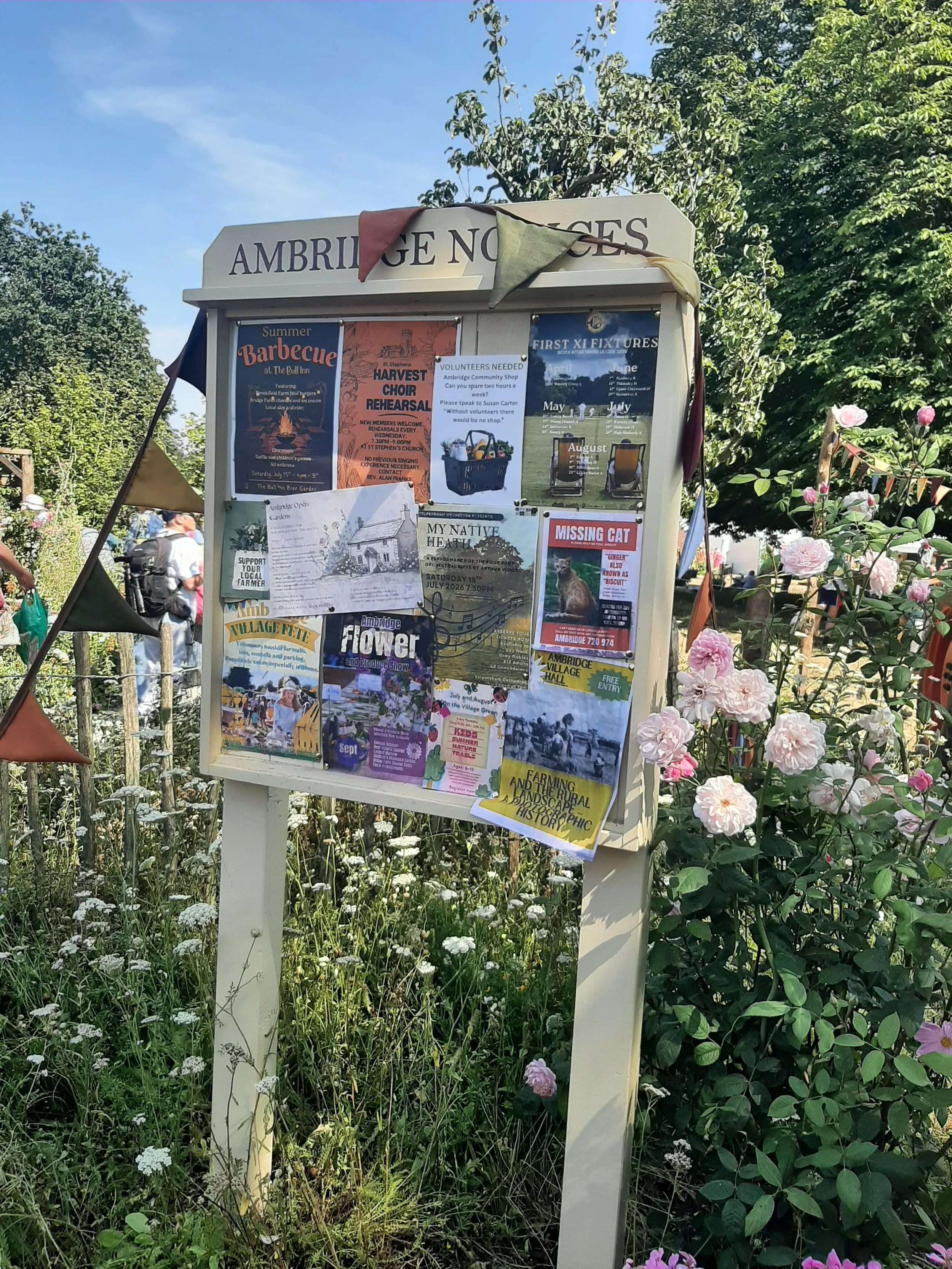
It’s been a couple of weeks of community and belonging. I've been lucky enough to belong to several quite different communities over the years, and each has taught me something slightly different about what it means to show up for other people, and to let them show up for you. And I celebrated this with a visit to the Archers tribute garden at RHS Badminton. (Yes I am a paid-up member of the Archers Addicts.)
And so I’m reflecting on three communities to which I belong and what they bring to the people who belong to them.
The village gardening club
A new grief cafe in my local town
The professional network I joined when i stopped working full-time in school
The professional network I joined when i stopped working full-time in school
The July Garden
I think it was Roald Dahl who said that if he had his way he would remove January from the calendar and have an extra July instead. I don’t agree. One of the best things about every month is that there is only one of them in the year with all their attendant highs and lows. Whatever the weather, the mood, the state of the garden, it is transitory. There is a natural ebb and flow to every year and I embrace that.
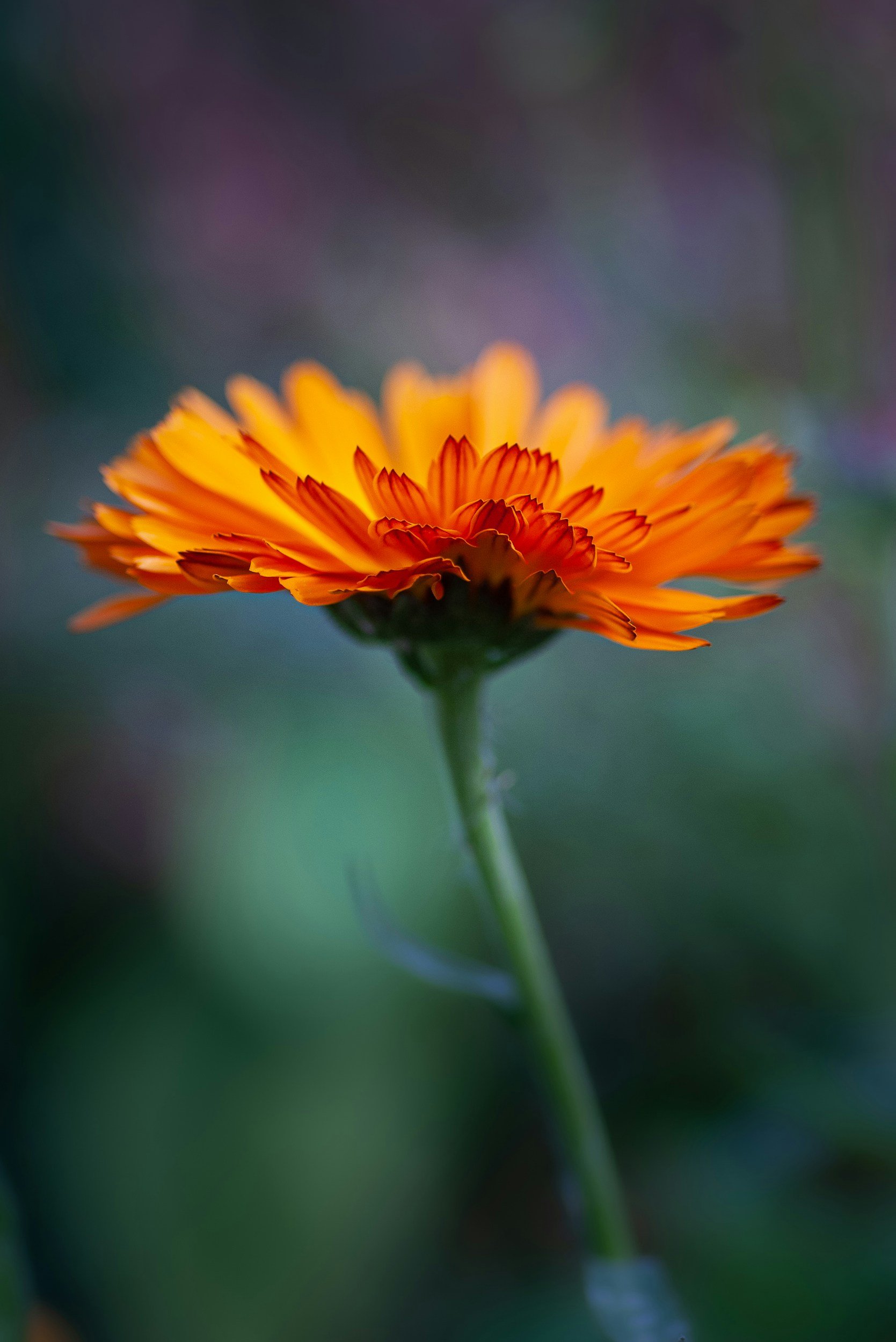
One of the great delights of the garden in July is calendula officinalis (know as Nobody’s flower in Wiltshire apparently). The vivid yellow, orange or burnished gold hues blend beautifully with the purples of lavender, salvia, agastache and the purple clematis I planted to cover next door’s ugly fence and whose name I can never remember. I sowed a few last year as companion plants for my tomatoes and they self-seeded right next to the Hypericum calycinum (Rose of Sharon) and are exactly the same colour. A happy accident. It’s no surprise that its sunshine colour is associated with abundance; they will pop up anywhere where the soil is fertile and free-draining.

Pen and ink
On Saturdays (and occasionally in midweek) I conduct weddings. As a legal registrar, sometimes I conduct the ceremony and sometimes I take care of all the legal aspects of the marriage. Invariable every couple or witness remarks on the use of a fountain pen to make any additions to the marriage schedule and sign it. And it isn’t only the use of pen and ink that elicits comments, it’s the fact that people don’t write by hand so much (or at all) any more.
I ran a little unofficial poll recently, and the result pleased me more than it probably should have. The handwritten list is still the favourite. Not an app. A pen, paper, and actual handwriting.
On the move
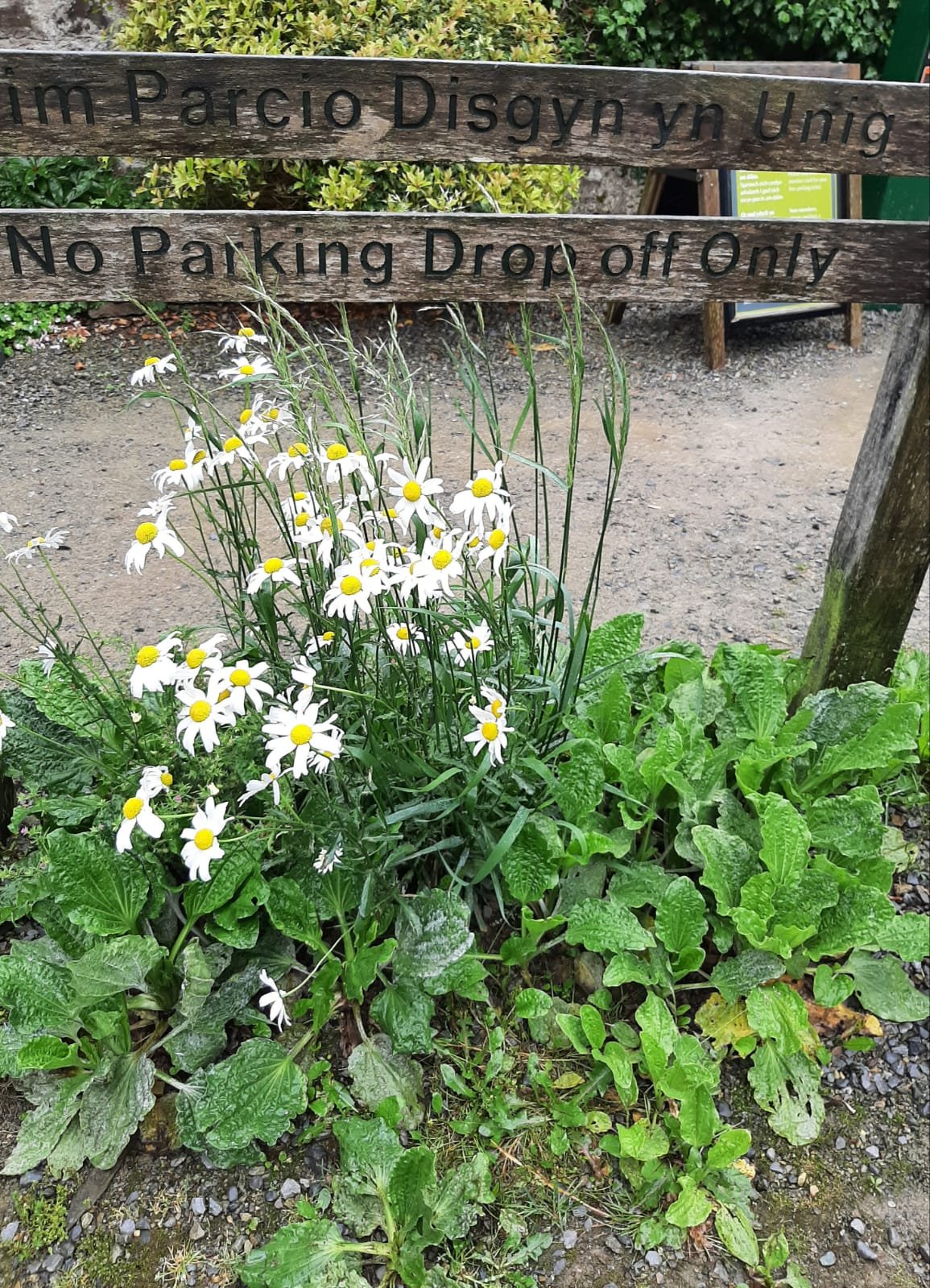
So far, 2026 has been a year of significant change. Even for me, a person who thrives on the variety and busyness of what my daughter calls “a finger in many pies”, this amount of change has left me feeling that I am dropping off only. Never parking up and turning off the engine. Frankly, it all seems a little out of control, much like the garden after the rapid growth of midsummer. What I need is a routine.
At the other end of the busyness spectrum are A Level students who have just finished their exams or graduates struggling to find a permanent job. They now have significant time on their hands after months of high-stakes activity. After much-needed downtime, the state of having nothing to do loses its sparkle. On days when there are no demands, you can feel equally exhausted and out of kilter. The solution is to establish a routine.
Having a routine of sorts, even on lazy days keeps you grounded, creative, connected and productive - four facets of a healthy life. Gently encouraging a sense of purpose and a goal for each day, however small, gives some vital control.
Pause and reflect
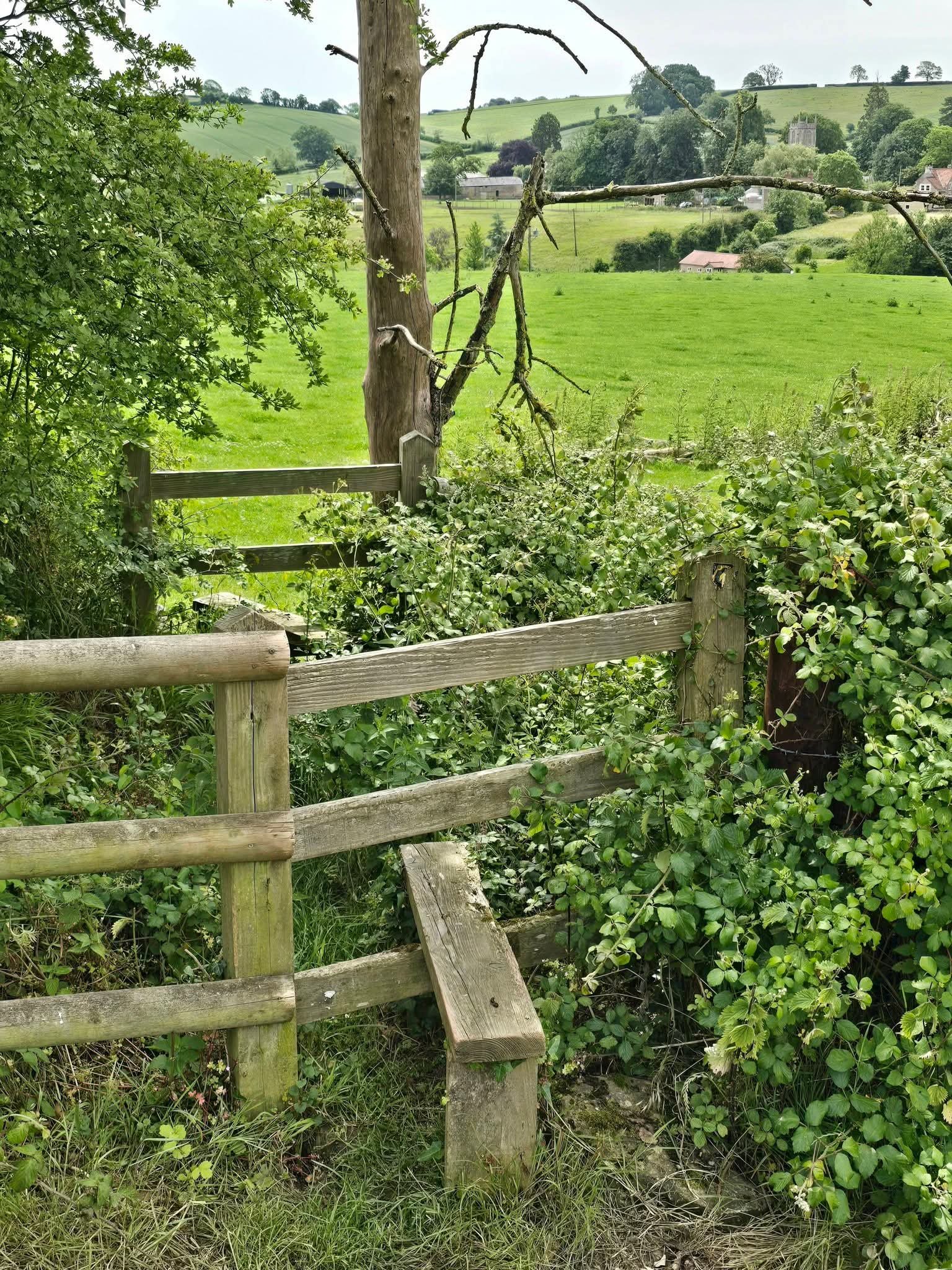
I often use pictures to promote discussion. A creative approach to opening up conversations was bread and butter to me as a teacher and pastoral head but it works just as well in sessions with bereaved clients or individuals thinking about memorial rituals, with couples who are planning their weddings and in coaching A Level students. It’s also a technique I use myself when setting goals for the future. This picture taken by Chris Doel perfectly reflects where I am halfway through the year at the solstice, where day and night are in equal balance, the perfect time to pause and reflect. I’ve come to a crossing point, over one stile and with another to climb, the path ahead clear but for now I’m content to stand in the middle surrounded by wildness, pause, reflect and plan.
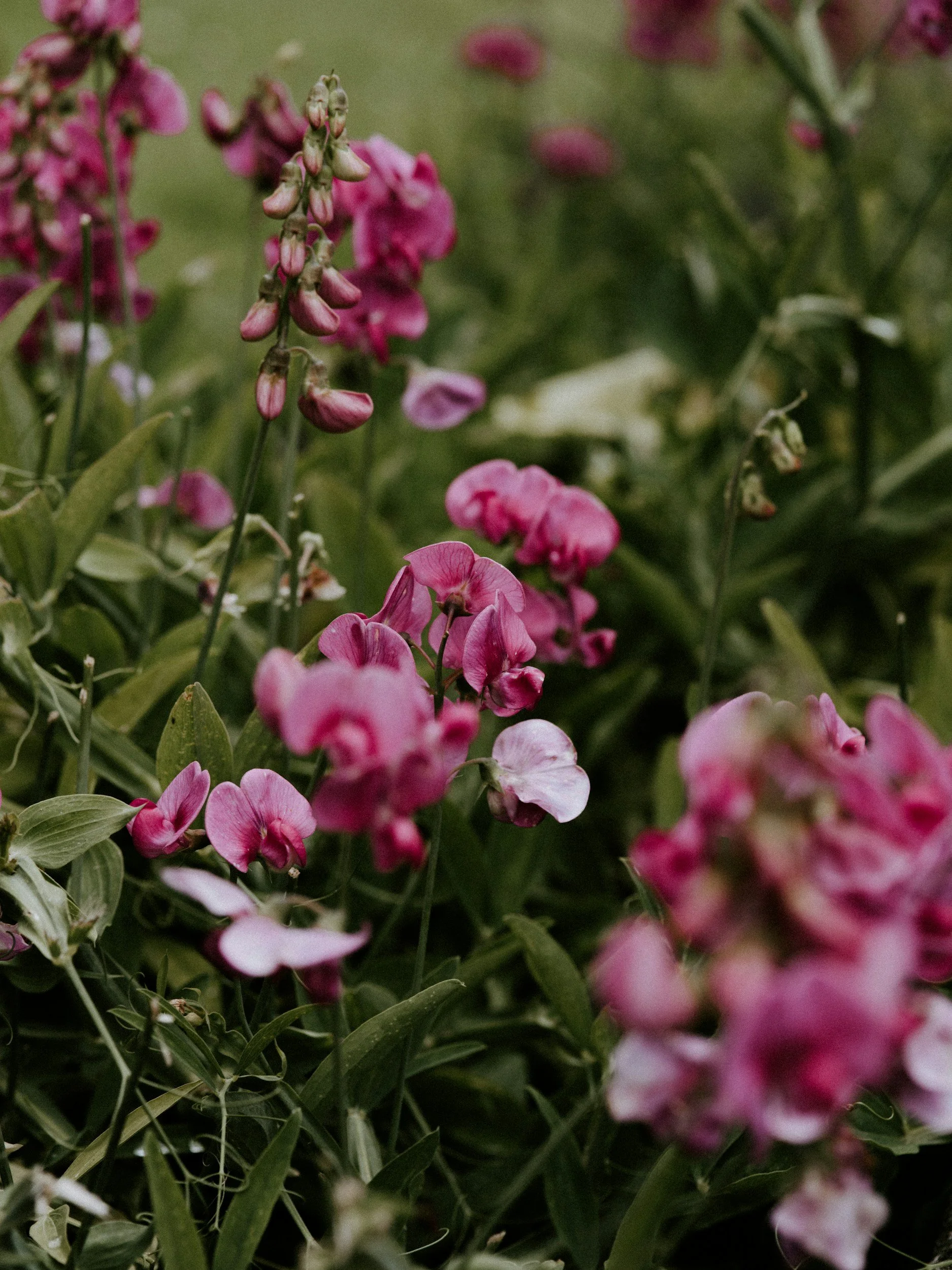
The June Garden
“It is the month of June, the month of leaves and roses, when pleasant sights salute the eyes and pleasant scents the noses,” wrote American writer and editor Nathaniel Parker Willis. Certainly, the roses have had a good year and my garden is at its most fragrant at Midsummer as a result but the scent of June for me is and always has been the Sweet Pea. Not a flower you can find readily in the shops, due to its short shelf-life which makes it all the more special.
There was always a jam jar of sweet peas on the kitchen table in June when I was a girl, sweetly scented and in the most delightful shades of crimson, pink and purple. Picking them from the wigwam in the garden was an almost daily occurrence. The more you pick, the more blooms you have. Like a floral version of the magic porridge pot, without the sticky ending. My mother used to trade a bunch of Sweet Peas for a bag of tomatoes grown in a neighbour’s greenhouse. My job was to walk up the lane in the evening after school and perform the swap.
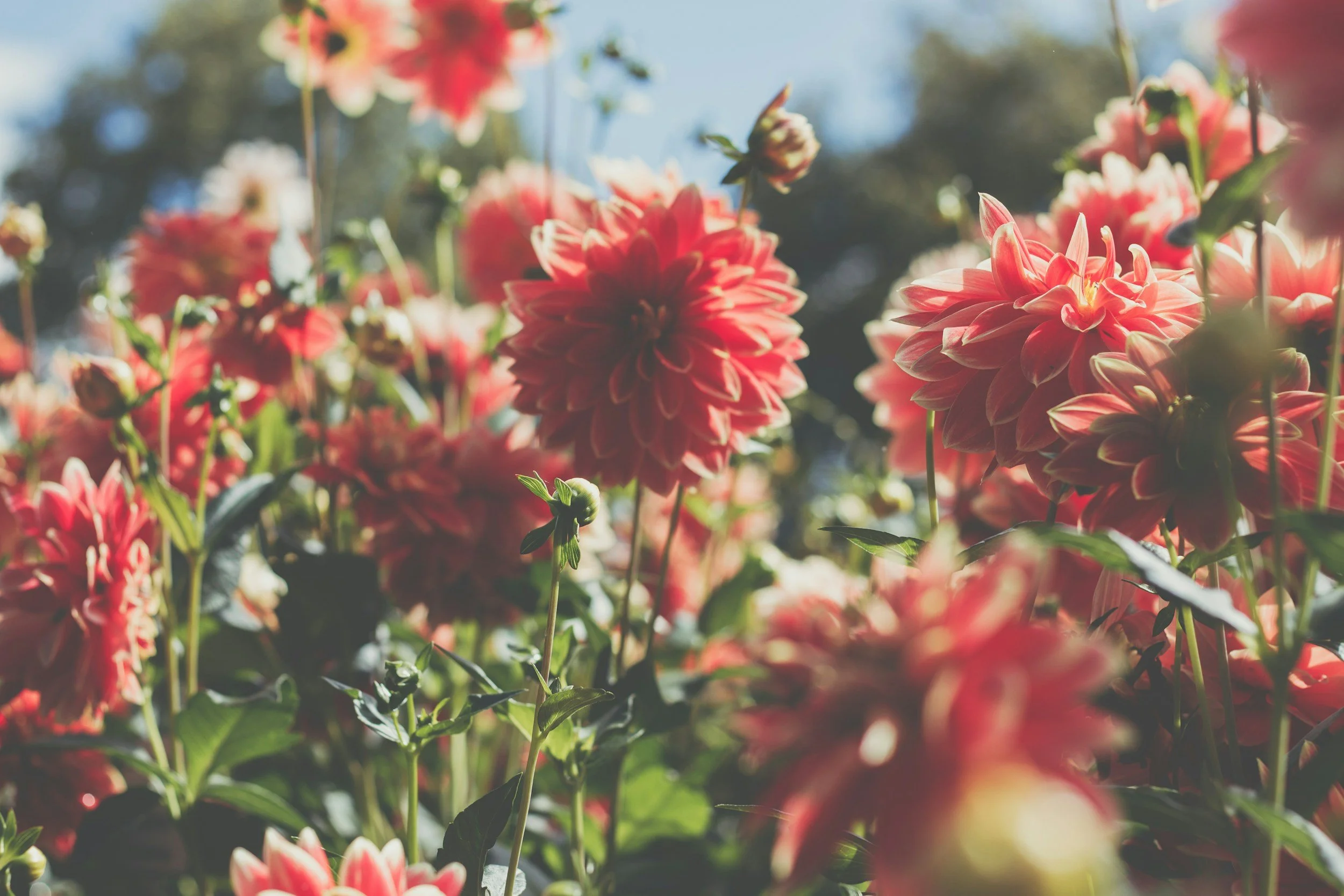
Green Prescriptions
There’s been a flurry of activity recently both online and locally supporting gardening projects for mental health. GPs and social prescribers are once again looking to community gardens to support recovery for anyone struggling with their mental health, with post-natal depression, with isolation, with bereavement.
I couldn’t be happier to see this happening. I have ‘history’ with therapeutic gardening in the community, with families at the local children’s centre and in many of the schools where I’ve taught and now I’m connected with a new community garden at the nearby hospice where I am developing a cutting patch to work on with clients on Mondays.

The spirit of place
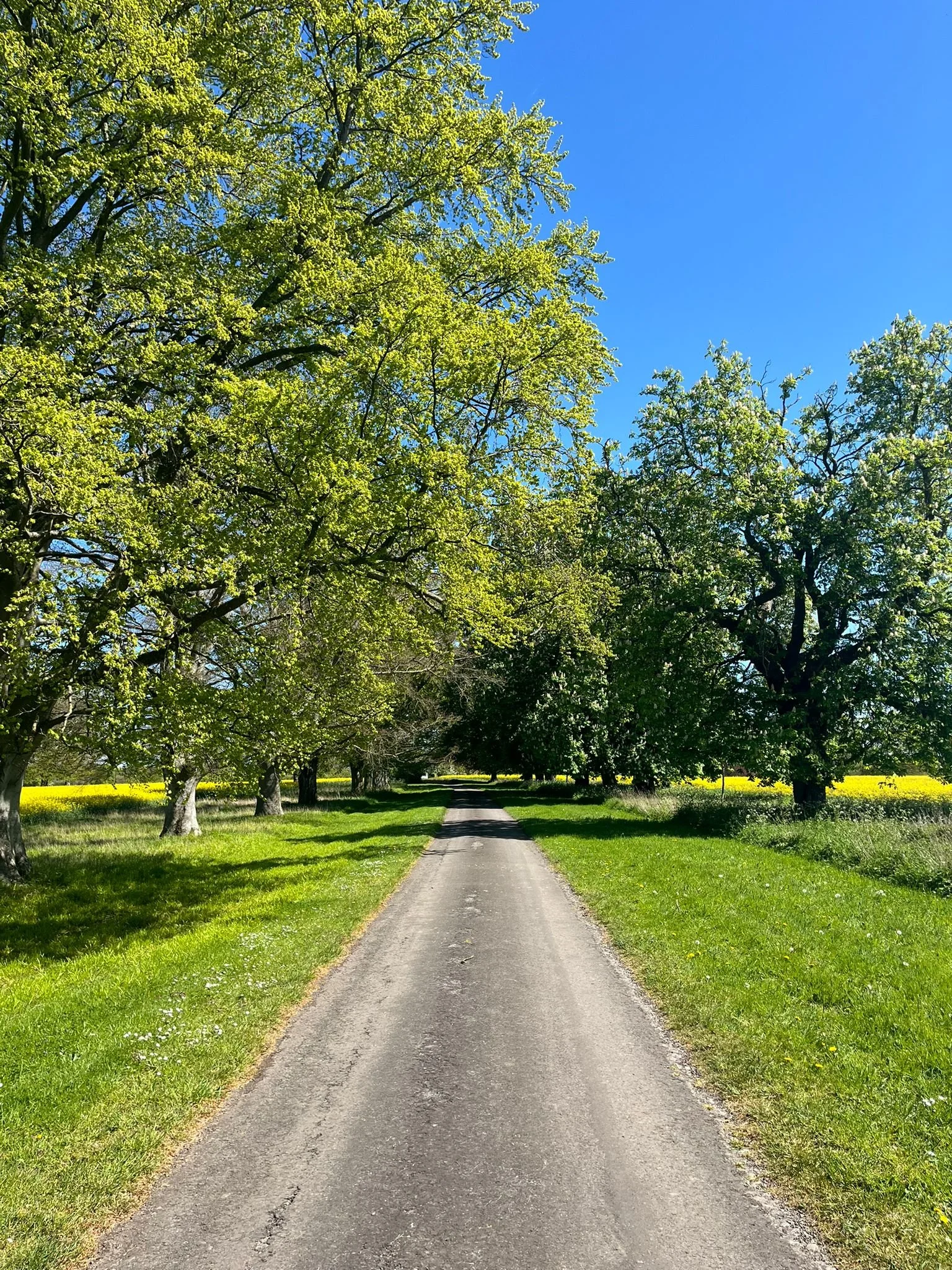
There’s no question that some places make you feel like you’ve come home. Wander through them or sit in them and you’ll soon find that breathing slows, muscles relax and all’s right with the world. It’s the spirit of place or ‘genius loci’, as the Romans termed it at work. For me, a Celt now settled in Wiltshire the Avebury landscape (pictured by my friend Ann Slaymaker) has it in spades, the lanes around the village of Holt, which I walked every day with my infant children, the wildflower meadow near Great Chalfield Manor and any number of old, abandoned churches, woodland glades and walled gardens.
I’ve been harnessing the "spirit of place" in my sessions with bereaved clients
The motivation myth
My brief foray back to teaching ends tomorrow. The final A Level English Literature exam is in the morning. From the very first lesson I taught back at Goffs School in 1991 to the last one a couple of weeks ago before the current students went on study leave, the subject of motivation is something we have pondered. There is always a gardening analogy to be found and no better place to illustrate how motivation works than in the garden.
My grief counselling days take me into gardens, onto allotments, and into overgrown plots that clients have been meaning to tackle for months. The conversation that happens most reliably, somewhere between pulling the first weed and filling the first trug, is this: “I don't know why I've been putting this off. I actually feel so much better now I've started.”
They're not imagining it. What they're noticing is a real neurochemical shift, and it happens faster than most people expect.