

Tiny Steps
I sat opposite a client this week and she said the words I hear more than almost any other in this job: "I know what I should be doing but I just can’t seem to start."
She isn't alone. I've heard versions of this from Sixth Formers staring at a blank revision timetable, the widower who hasn't opened his wife's wardrobe in over a year, the client three weeks into a bereavement who can't face answering the phone, friends and family members, even myself. All of us are waiting for something to arrive before we act. A feeling. A readiness. The right day.
It doesn't come, because that’s not how it works.
We've got the order backwards
The Power in Familiarity
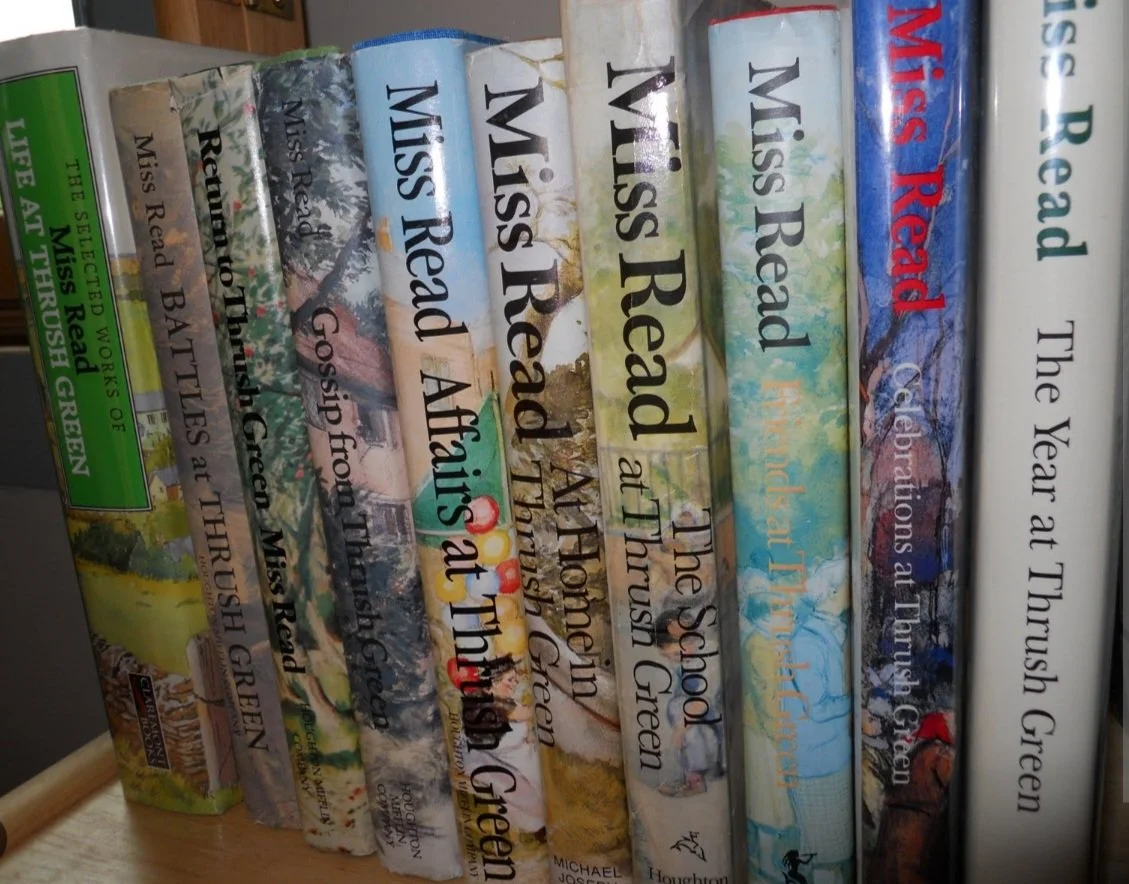
Three times this week I have been reminded that in times of stress and uncertainty there is a lot to be said for doing something familiar, whether that is the music you choose to play when giving birth, the familiar books you escape into when you’re unwell or the television programmes you rewatch when everything feels difficult. When life is uncertain, even small decisions start to feel heavy. That is exactly why the familiar becomes so valuable.
It's not a distraction from the hard stuff. It's a way of automating some of your choices, so you have more space for the ones that actually matter.
Anyone who has children will recognise their penchant for having the same bedtime story read to them time after time. I must have read Postman Pat’s Difficult Day thousands of times. However much I wanted to break out something new for my little bookworms at bedtime the comfort reading of PP and his exploits was doing sterling service. I like to explore the reasons behind why things work. It’s the teacher in me, honed over many years of coaching students in the most effective ways to learn and manage their mental health. And so here is the neuroscience behind my claim.
Reading a familiar story or rewatching a favourite TV programme calms the amygdala, reduces cognitive overload and activates the parasympathetic nervous system. In this instance familiarity doesn’t breed contempt; it provides predictability and soothes an overloaded nervous system.
It’s an anchor, not an escape.
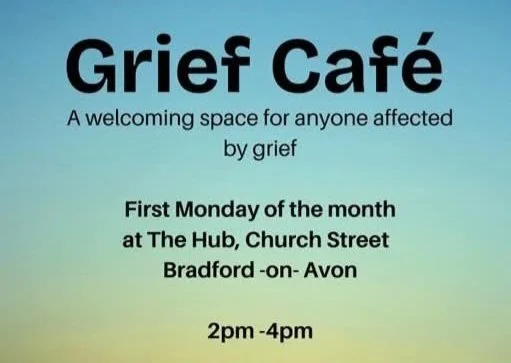
Next steps for the Grief Cafe
Grief doesn't keep office hours, and it rarely waits for the right moment. That's the thinking behind Open Arms Grief Café, the drop-in bereavement support session now running at The Hub@BA15, the community charity based at the Old Town Hall on Church Street, Bradford on Avon.
A quiet space that's found its footing
Since launching, Open Arms has grown from a small, tentative gathering into a steady fixture in the Hub's calendar. There's no agenda, no need to book, and no pressure to talk if you'd rather just listen. Visitors drop in for tea, coffee, cake and company, and stay for as long, or as short a time as they need.

Green Prescriptions
There’s been a flurry of activity recently both online and locally supporting gardening projects for mental health. GPs and social prescribers are once again looking to community gardens to support recovery for anyone struggling with their mental health, with post-natal depression, with isolation, with bereavement.
I couldn’t be happier to see this happening. I have ‘history’ with therapeutic gardening in the community, with families at the local children’s centre and in many of the schools where I’ve taught and now I’m connected with a new community garden at the nearby hospice where I am developing a cutting patch to work on with clients on Mondays.
The spirit of place
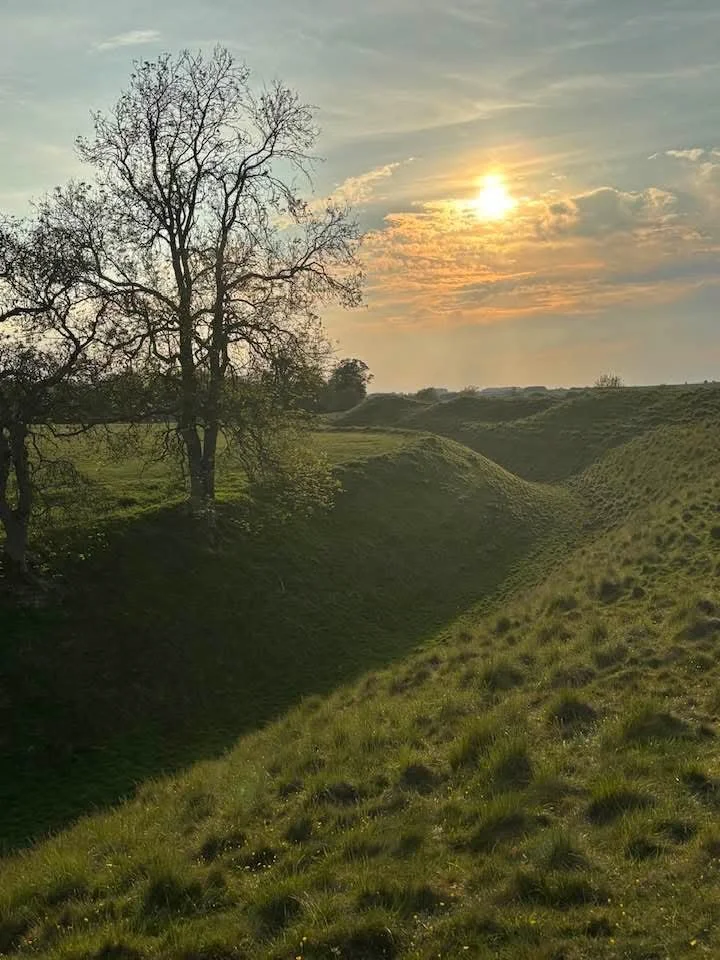
There’s no question that some places make you feel like you’ve come home. Wander through them or sit in them and you’ll soon find that breathing slows, muscles relax and all’s right with the world. It’s the spirit of place or ‘genius loci’, as the Romans termed it at work. For me, a Celt now settled in Wiltshire the Avebury landscape (pictured by my friend Ann Slaymaker) has it in spades, the lanes around the village of Holt, which I walked every day with my infant children, the wildflower meadow near Great Chalfield Manor and any number of old, abandoned churches, woodland glades and walled gardens.
I’ve been harnessing the "spirit of place" in my sessions with bereaved clients
The laburnum - lessons in loss and healing
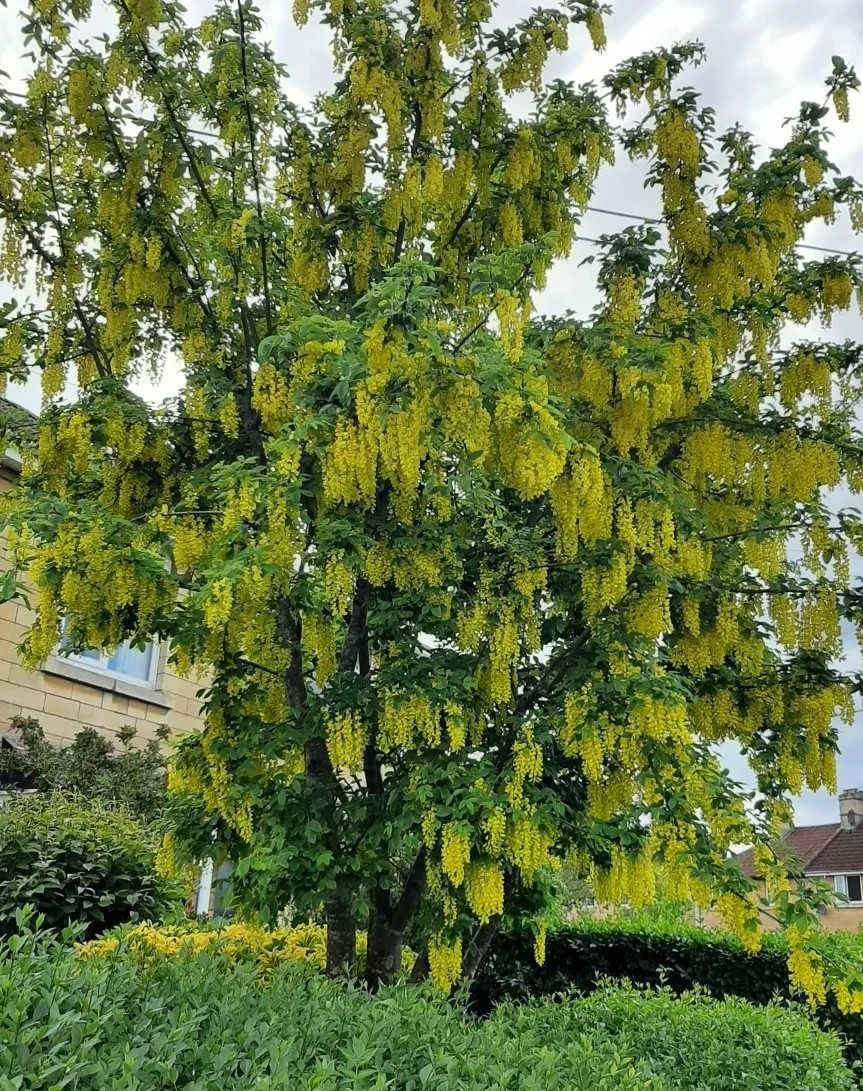
It’s been the best year for our front garden laburnum tree. I planted it not long after we moved into our current home and despite its deserved reputation for being beautiful but poisonous, it was a deliberate choice.
Full disclosure: this was the house I never wanted to move into. There is a particular grief in moving to a house you didn't want. Not the grief of loss exactly; more a persistent ache of resignation, of accepting that life will be different from the one you had planned. There is nothing wrong with our house in purely practical terms. It is absolutely fine. The rooms are fine. The street is fine and not too busy. The neighbours are friendly. It’s a short walk into town and to school when the children were little. Everything is fine. But fineness, when you had wanted something else entirely, can feel gently suffocating. Like living in a a world of pastel shades when you want jewel colours.