

Stir up Sunday: Ways of Remembering
Today is ‘Stir up Sunday’, the last Sunday before Advent, and the day when generations of British kitchens have traditionally put the Christmas pudding together. (I make mincemeat and a batch of mince pies to pop in the freezer.) The name comes from the old Prayer Book collect for the day, which begins with a plea to "stir up" the wills of the faithful. Cooks, being practical people, took it rather literally. Traditionally everyone in the household gives the mixture a stir, makes a wish, and the pudding is steamed, wrapped and tucked away to mature in the dark until Christmas Day.
I love Christmas cooking. The smell of brandy and spice, the mixing bowl that is far too small, the coins (if you're feeling brave about the dentistry) and the sheer ritual of doing the same thing at the same time every year. I wrote a few weeks ago about the power of ritual and of familiar things. Stir up Sunday may be the most delicious example I know.
But I'd be fibbing if I said it was only ever joyful.
The recipe card with the stains on it which every family has at least one. Mine is a dog-eared card, softened with age, spotted with brandy and butter, in handwriting I would know anywhere. The quantities are approximate. "A good handful" of this. "Enough" of that. "Cook until it looks right." (Thanks, Mum).
Heirloom recipes are never really about the ingredients. They are a person's hand on the page. Heirloom recipes are never really about the ingredients. They are a person's hand on the page.
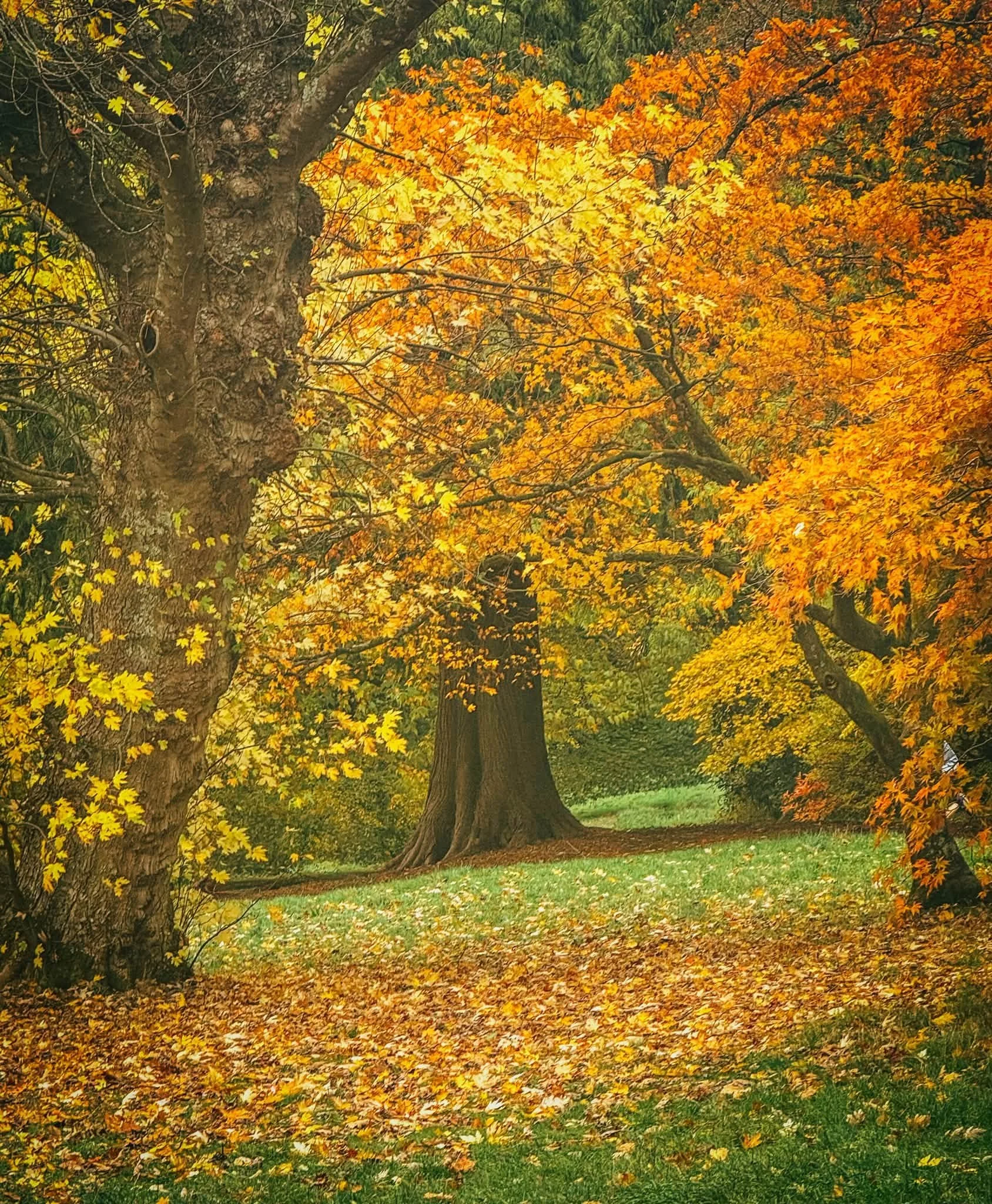
The November Garden
November at its best—with a sort of delightful menace in the air
November gets a bad press. It’s cold. It’s damp. The garden looks sad. Your first cold of the Winter strikes. The only thing to look forward to is Christmas.
Well – I’m here to balance the scales a little with a smidgeon of November love. I’m particularly fond of November - Bonfire Night, a bit of Christmas cooking and gift shopping for books, leaning into the slower rhythms of the year, remembrance and reflection and ….my birthday.
As the month begins it’s a time for long walks, kicking the leaves and coming home (with pockets of acorns, hips, haws and conkers) for toasted crumpets and coffee. The chunky knits, long scarves and boots have replaced cotton frocks and sandals in the wardrobe and seemingly a constant whiff of woodsmoke hangs in the air.
Yes. November has a lot to recommend it. Of course, it is the best time to plant tulips for next year, says the Good Gardeners’ Guide. By rights I should have already planted all the narcissi and alliums, cleared away the detritus of plants which have gone over, carefully raked up the leaves, picked the remaining fruit, bought in a bulk bag of mulch and be ready to put the garden to bed for the winter.
I have not done all of those things.
The Thin Time of the Year
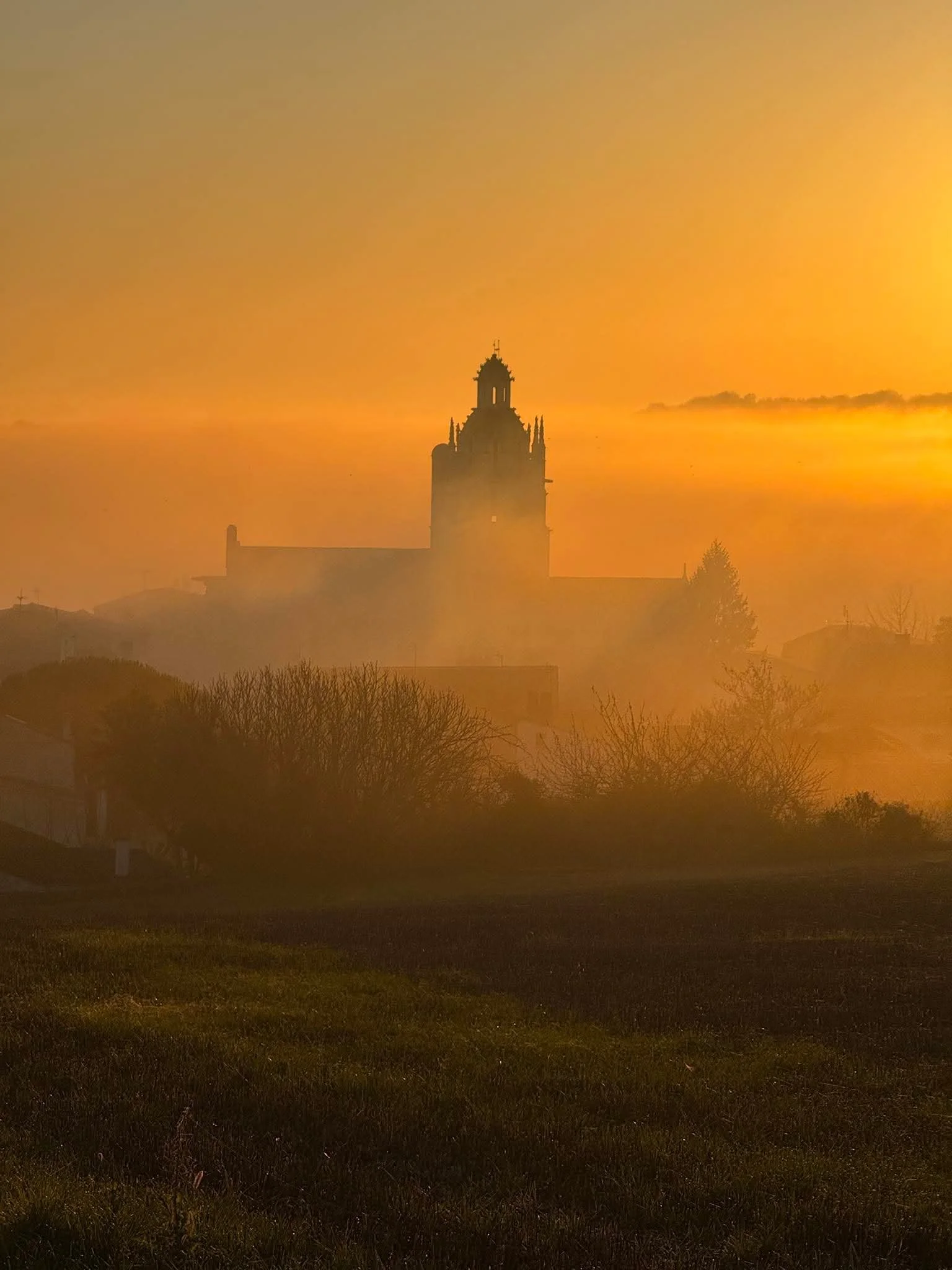
In the week after the clocks have gone back and it’s dark by five, with a faint smell of woodsmoke in the air I walked the lanes at dusk just as I did all those years ago whilst accompanying one or other child to Beavers or Brownies. The last of the light dipped behind the hedge, and the world went quiet. Back at home I lit the kitchen candles, made a cuppa and sat down to read.
The Celts called this the thin time of the year. This weekend (31 Oct into 1 Nov) Samhain, marks the turn from the light half of the year to the dark, and the old belief was that the veil between the living and the dead wore thin enough to feel and connect with our ancestors. The Christian Church, gave us All Saints on 1 November and All Souls on 2 November, a day set aside to pray for the departed. Different traditions but essentially the same human impulse to remember, to look back.
You don't need to believe in anything at all to feel it.
Why autumn stirs grief
If you've noticed your mood dipping as the leaves come down, you're not imagining it. Autumn is a season of visible endings. The garden dies back, the light drains away and we draw indoors. It is nature's own rehearsal for loss, and our bodies respond to it. Less daylight affects sleep and mood, and a quieter, slower season leaves more room for what we have been keeping busy enough to avoid.
Then there's the calendar of memory. The first October without someone. The birthday that falls in November. The place at the table that will be glaringly empty by Christmas, which is already creeping into the shops. Grief doesn't keep office hours, and it certainly doesn't keep to the calendar, but autumn arrives to tap us on the shoulder.

Pause and reflect
I often use pictures to promote discussion. A creative approach to opening up conversations was bread and butter to me as a teacher and pastoral head but it works just as well in sessions with bereaved clients or individuals thinking about memorial rituals, with couples who are planning their weddings and in coaching A Level students. It’s also a technique I use myself when setting goals for the future. This picture taken by Chris Doel perfectly reflects where I am halfway through the year at the solstice, where day and night are in equal balance, the perfect time to pause and reflect. I’ve come to a crossing point, over one stile and with another to climb, the path ahead clear but for now I’m content to stand in the middle surrounded by wildness, pause, reflect and plan.