
Stir up Sunday: Ways of Remembering
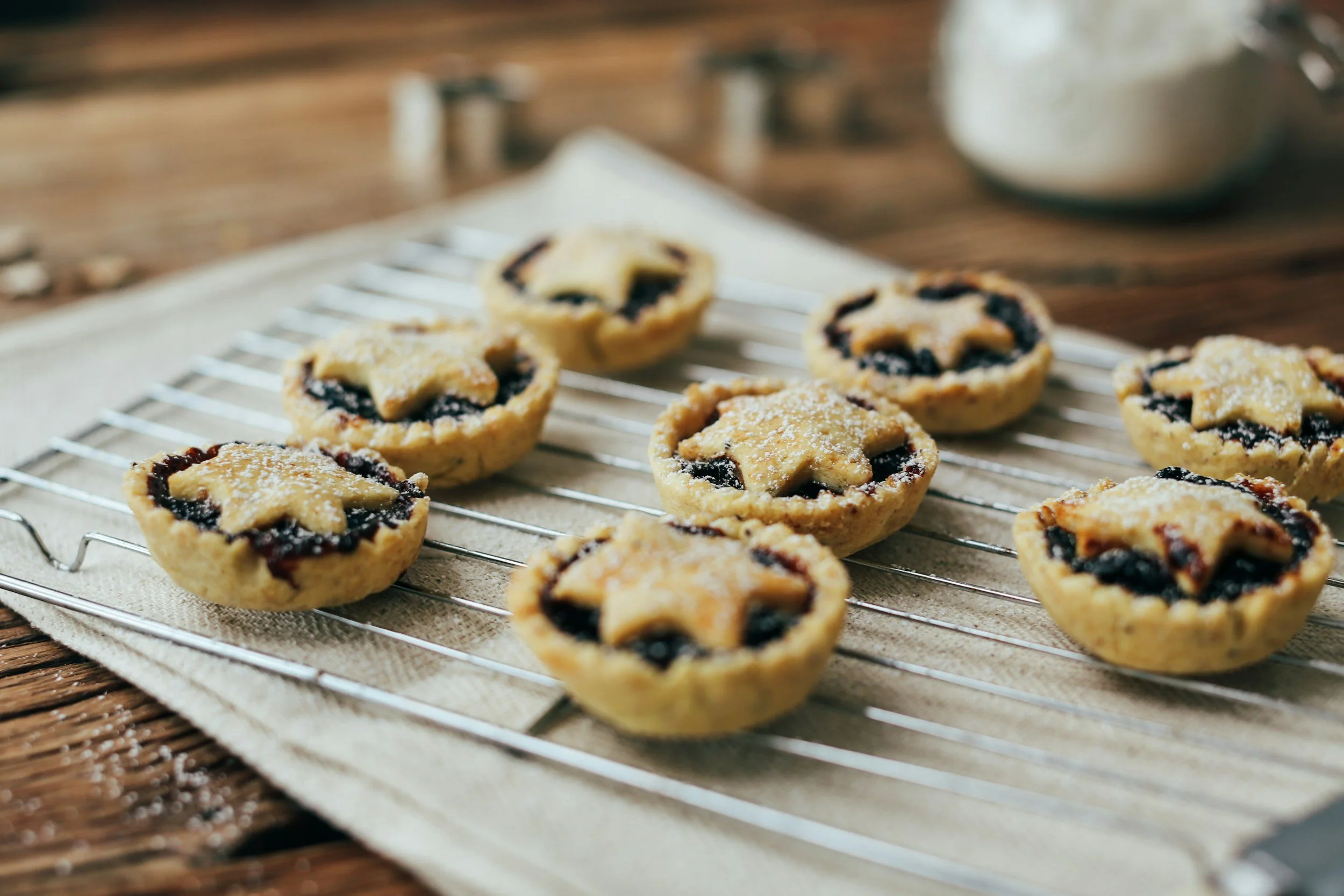
Today is ‘Stir up Sunday’, the last Sunday before Advent, and the day when generations of British kitchens have traditionally put the Christmas pudding together. (I make mincemeat and a batch of mince pies to pop in the freezer.) The name comes from the old Prayer Book collect for the day, which begins with a plea to "stir up" the wills of the faithful. Cooks, being practical people, took it rather literally. Traditionally everyone in the household gives the mixture a stir, makes a wish, and the pudding is steamed, wrapped and tucked away to mature in the dark until Christmas Day.
I love Christmas cooking. The smell of brandy and spice, the mixing bowl that is far too small, the coins (if you're feeling brave about the dentistry) and the sheer ritual of doing the same thing at the same time every year. I wrote a few weeks ago about the power of ritual and of familiar things. Stir up Sunday may be the most delicious example I know.
But I'd be fibbing if I said it was only ever joyful.
The recipe card with the stains on it which every family has at least one. Mine is a dog-eared card, softened with age, spotted with brandy and butter, in handwriting I would know anywhere. The quantities are approximate. "A good handful" of this. "Enough" of that. "Cook until it looks right." (Thanks, Mum).
Heirloom recipes are never really about the ingredients. They are a person's hand on the page. Heirloom recipes are never really about the ingredients. They are a person's hand on the page.

Mattering
My husband is currently researching the Lynmouth Flood, which marks its 75th anniversary next year, using his well- honed genealogical research skills to flesh out the stories of the people who sadly lost their lives. Conversation inevitably turns to the one recovered victim who has not been identified. Why weren't they reported missing? Who did they matter to? Surely we all hope that we matter to someone?
Mooching around Toppings in Bath after work as I do fairly regularly, I picked up a copy of Mattering by Jennifer Breheny Wallace.
The premise of Wallace’s book is simple, and that’s what made it so readable. Feeling that you matter to someone or somehow doesn’t just give you a warm, fuzzy feeling; it's a core human need, as essential as food or sleep. It’s in our DNA. To our ancestors mattering meant being included in the tribe, safety. Literally a matter of life and death.