
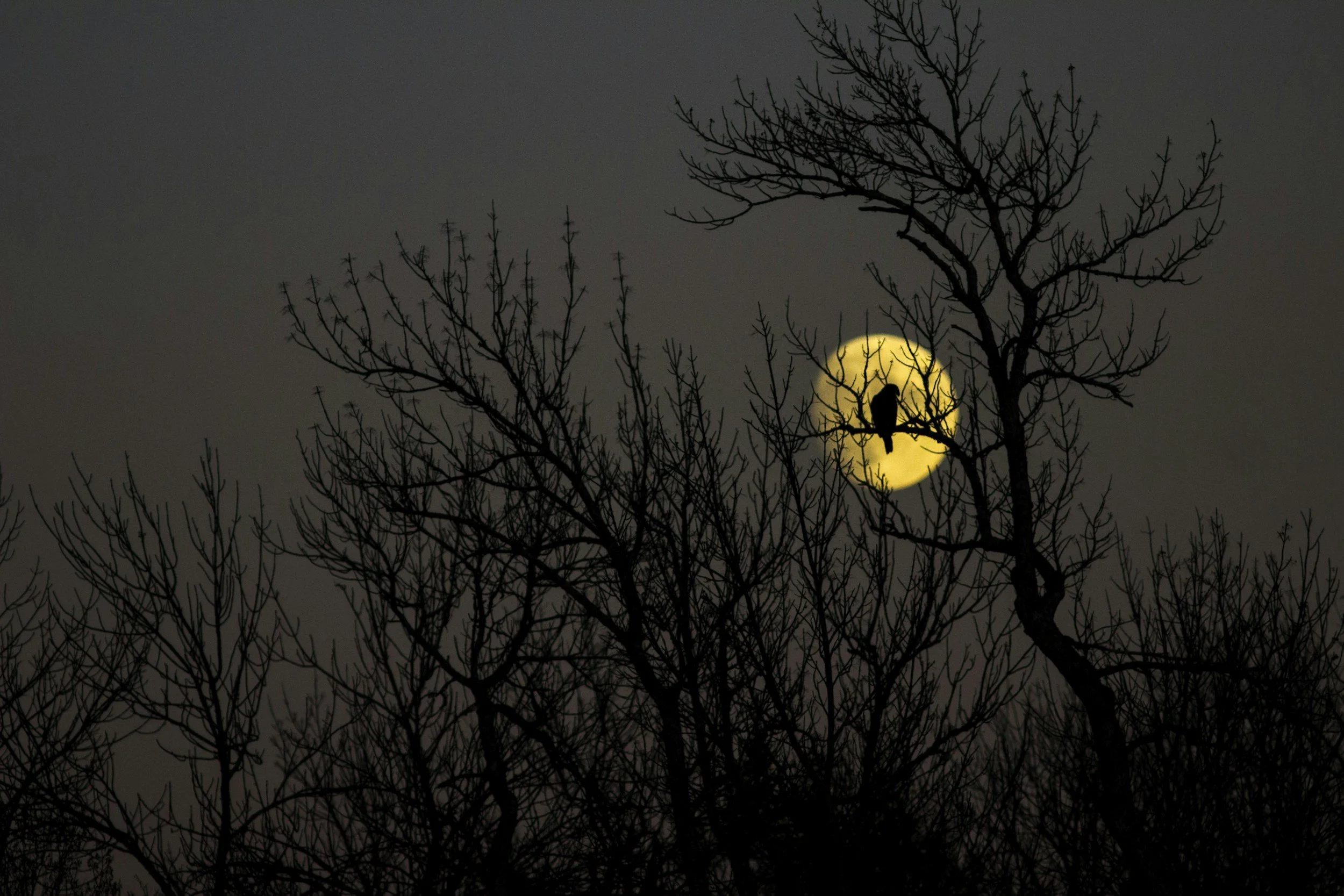
Shine on Harvest Moon
Almost the end of September. The Autumn Equinox. A Full Harvest Moon. A slight nip in the air. The earth is in balance, and it's the perfect moment to look back and look forward.
Around here, the winter wardrobe is coming out, boxes of bulbs are waiting on the kitchen floor (last year's bulbs made it as far as the shed, only to be unearthed in January, so this year there are NO excuses), and any spare minute is spent putting the garden to rights for next year. There's a fine crop of quince to harvest, even if the apples were poor.
Harvest is one of my favourite festivals. At next week's Harvest Supper we'll share food, fun and news with friends we haven't seen for a while. It's a time to be thankful and to connect before moving indoors for the darker months.

The power in being good enough
The Good Enough Teacher: What Winnicott Can Teach Us About the Classroom
I loved teaching but it took me a while to embrace the concept of being good enough. Not good enough but good enough. What I mean is to be comfortable with being good enough, to have boundaries, to maintain a work-life balance, to work smarter rather than harder and to have a personal wellbeing target on your annual appraisal which was more meaningful than ‘go for a ten minute lunchtime walk once a week’. (This was a real target!)
A lifetime ago, when I was a young Mum at home with her three very small children I stumbled across a copy of D W Winnicott’s book The Good Enough Mother and it changed my life. Some time before I had been gifted Gina Ford’s The Contented Little Baby (AKA Infant Boot Camp) I love a routine but this one read like a survival manual written by a drill sergeant and so I had successfully ignored other parenting manuals until I came across Winnicott in a charity book shop.
Winnicott offered relief. Guess what? You don't have to be a perfect mother. In fact, he argued, you shouldn't try to be. What children need is "good enough”; someone who meets their needs closely at first, then gradually, tolerably, fails to meet them, giving children room to discover their own resources.
Like all good ideas it's a simple but with large implications. And it turns out that it translates remarkably well from home to school.

Finding Your Flow: What Ikigai Can Teach You About Doing Your Best Work
If you've ever sat down to study, write, or practice a skill and looked up hours later wondering where the time went, you've experienced flow. Psychologists call it a state of complete absorption in an activity and as it happens this idea sits at the heart of one of the most talked-about happiness books of the last decade: Ikigai: The Japanese Secret to a Long and Happy Life by Héctor García and Francesc Miralles, which I’ve finally got around to reading
The book explores how the residents of Okinawa, one of the world's "Blue Zones" known for extraordinary longevity, tend to stay engaged, purposeful, and mentally sharp well into old age. One recurring thread throughout their stories is a deep, almost meditative absorption in daily tasks whether it's gardening (my ears pricked up here), martial arts, cooking, or craftsmanship. That absorption is flow, and understanding it can change how students and professionals alike approach their work.
Significant Signposts
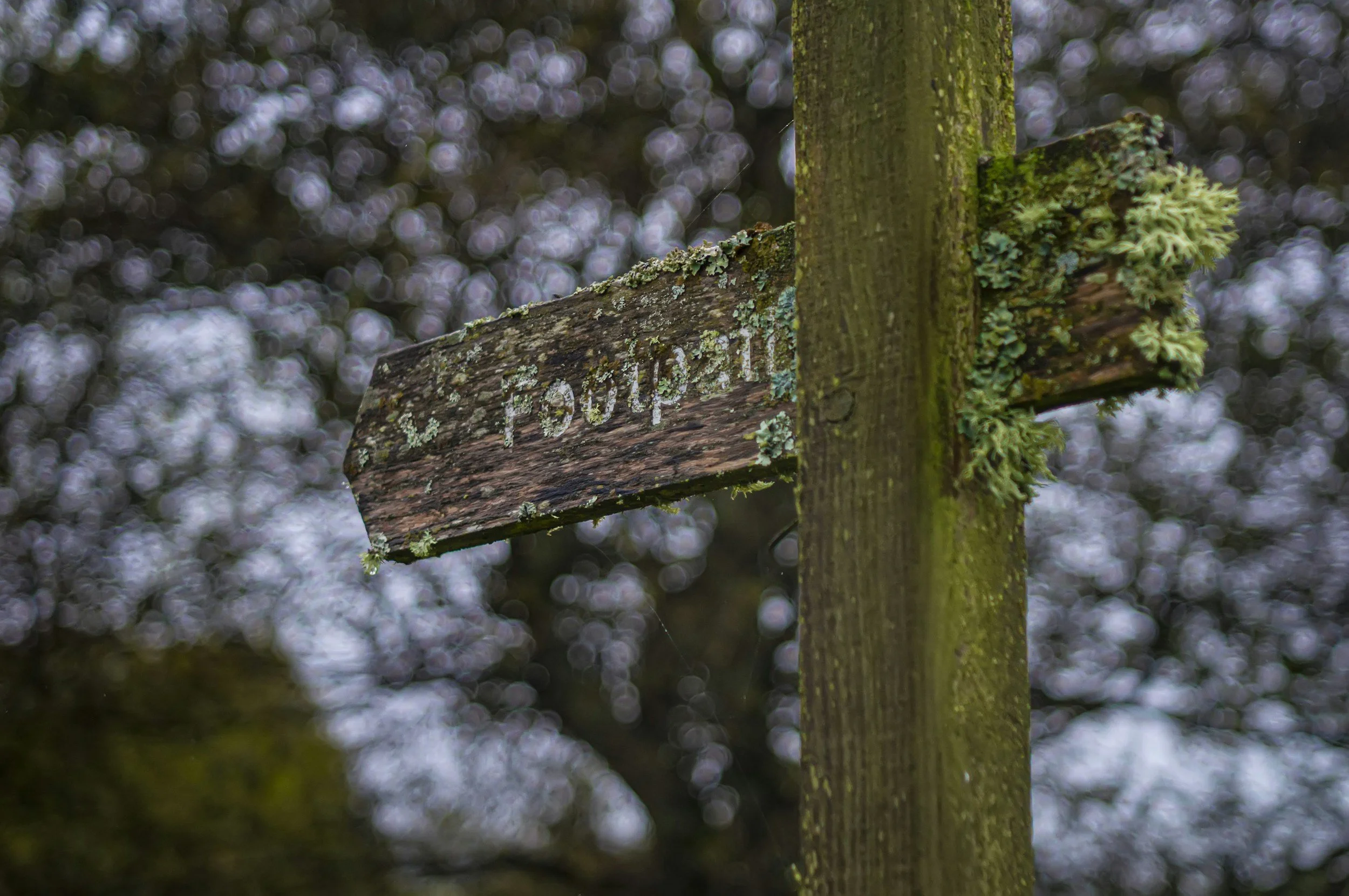
There are weeks when the universe is determined to lead you somewhere. This was one of those weeks. On almost every day and in numerous ways I have been confronted by signposts. They’ve popped up everywhere, quite literally.
It started with a casual remark on the radio by someone about ‘significant signposts’ in their life.
Creativity as Part of Recovery
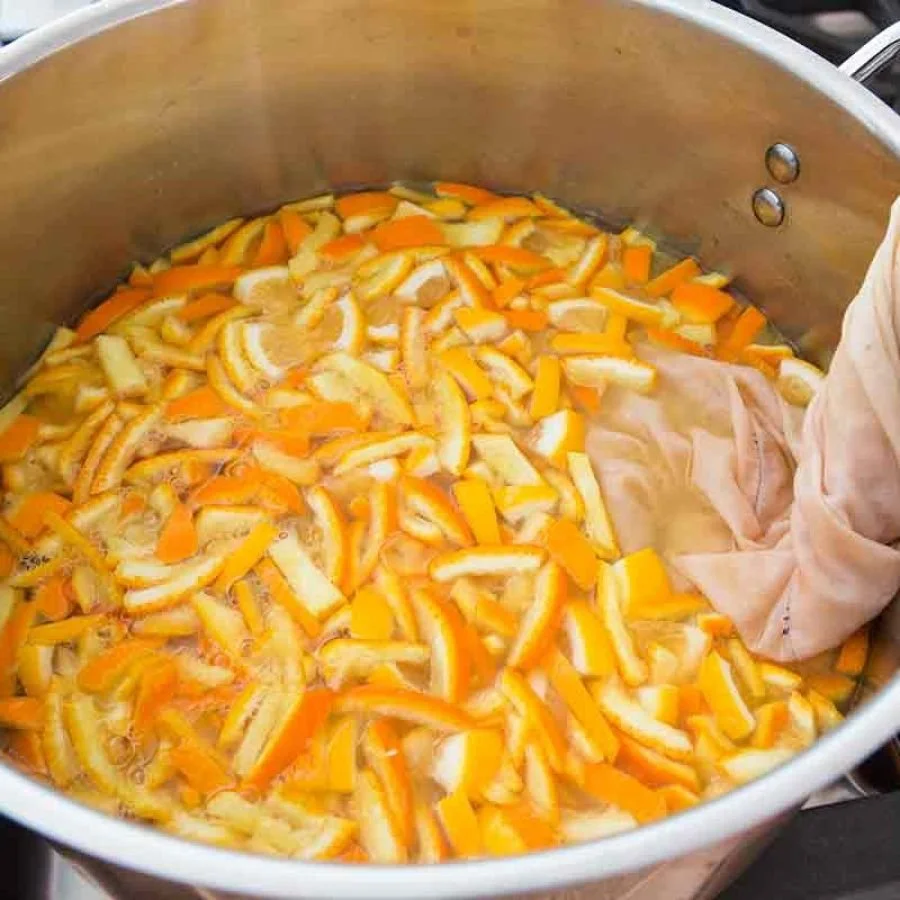
This week I’ve spent several hours with bereaved clients who have decided that returning to some of the creative pursuits they engaged with as children might help them cope. Colouring, painting, photography, writing, baking, knitting and gardening have all been mentioned. And so has making marmalade.
I’m a fan of this approach to self-care whether you’re doing the work of grief, working on your mental health or grounding yourself in a topsy-turvy world.
Half Term Rituals
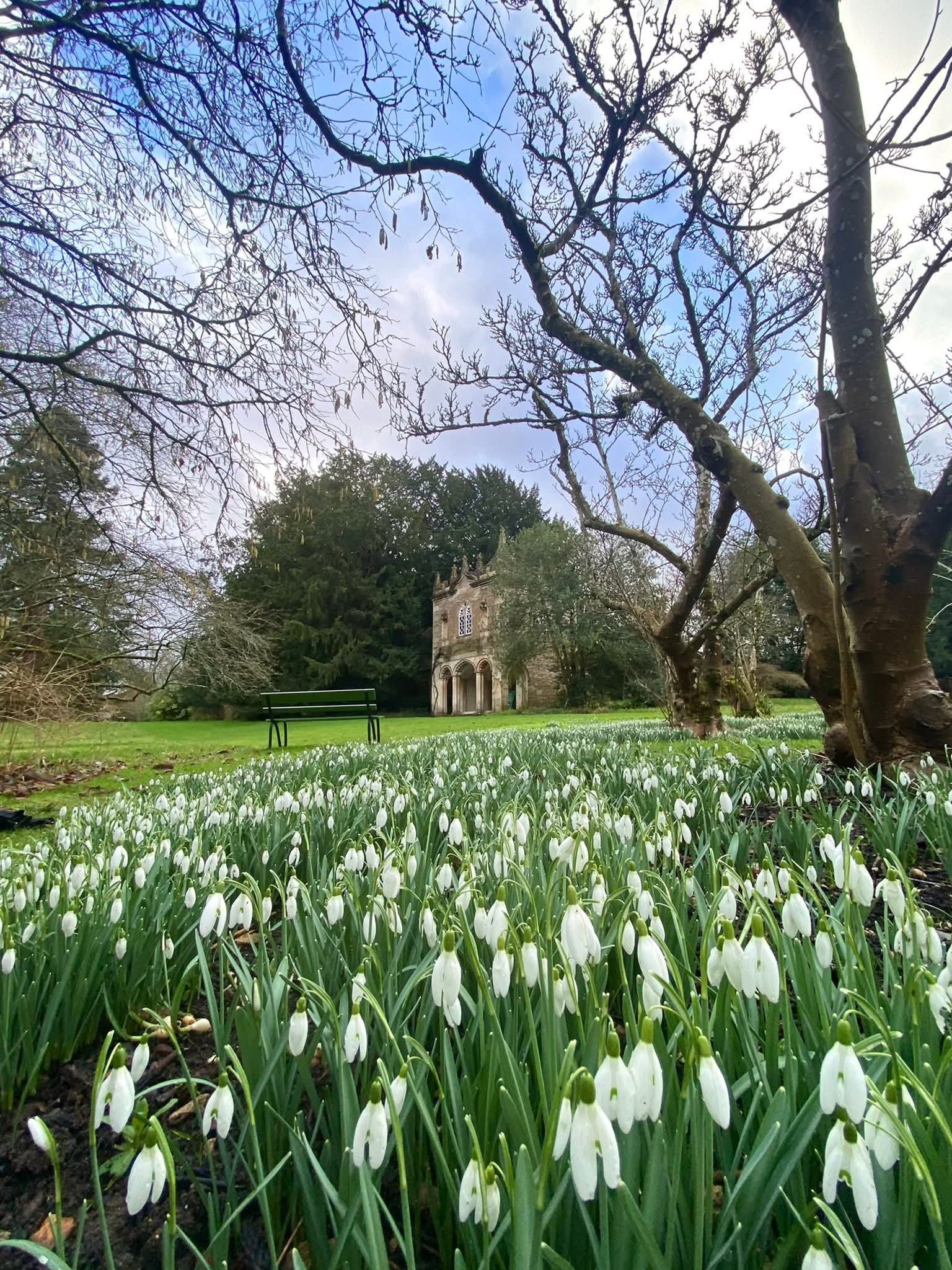
It's Half Term in Wiltshire and for teachers and retired teachers (even those who've been called back to cover for absent colleagues) a time to lean into familiar February rituals. There’s a comfort in spending a few days doing familiar things. One of the most important features of rituals is that they do not only mark time; they create time. Time to connect, time to reflect, time to slow down and take control.
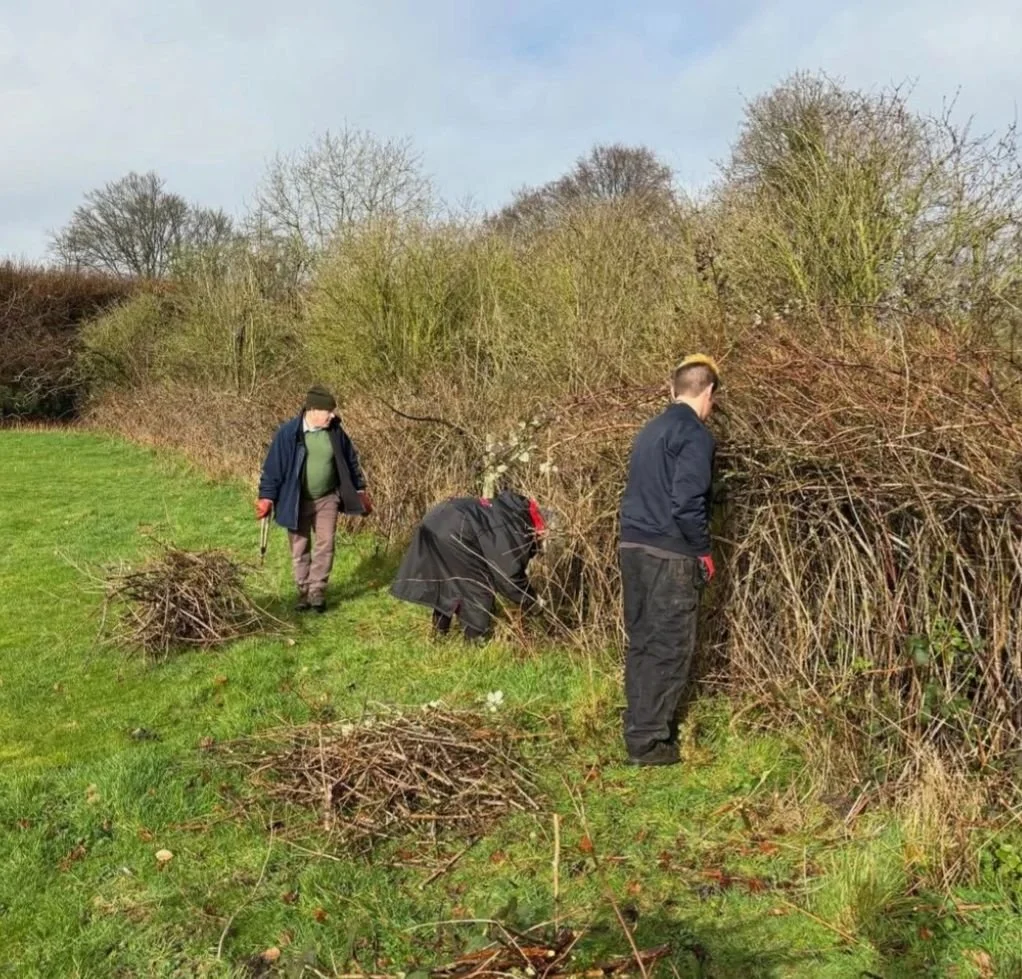
Community gardening
You can't beat working with others in gentle rain outside to create a garden in a field. It's the ultimate wellbeing activity and all the better when you're closing the loop, using what you have and not wasting anything. Community gardens have a long and well-researched history of supporting recovery and wellbeing. Grow for Life have been providing social and therapeutic gardening sessions for people affected by low confidence, anxiety, depression or isolation for years and in this new garden, they’re turning their attention to those navigating grief and loss.