
The July Garden
I think it was Roald Dahl who said that if he had his way he would remove January from the calendar and have an extra July instead. I don’t agree. One of the best things about every month is that there is only one of them in the year with all their attendant highs and lows. Whatever the weather, the mood, the state of the garden, it is transitory. There is a natural ebb and flow to every year and I embrace that.
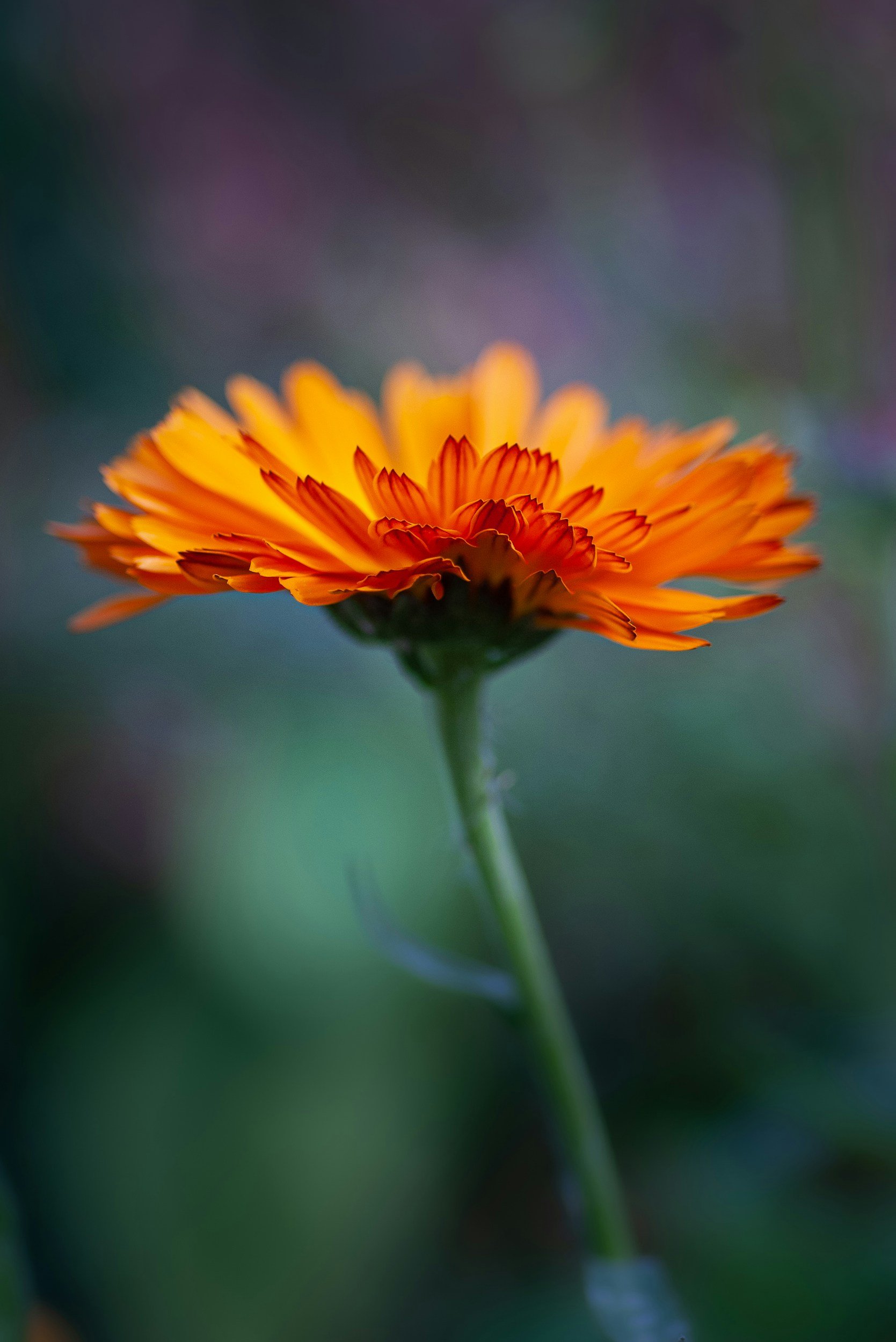
One of the great delights of the garden in July is calendula officinalis (know as Nobody’s flower in Wiltshire apparently). The vivid yellow, orange or burnished gold hues blend beautifully with the purples of lavender, salvia, agastache and the purple clematis I planted to cover next door’s ugly fence and whose name I can never remember. I sowed a few last year as companion plants for my tomatoes and they self-seeded right next to the Hypericum calycinum (Rose of Sharon) and are exactly the same colour. A happy accident. It’s no surprise that its sunshine colour is associated with abundance; they will pop up anywhere where the soil is fertile and free-draining.
The June Garden
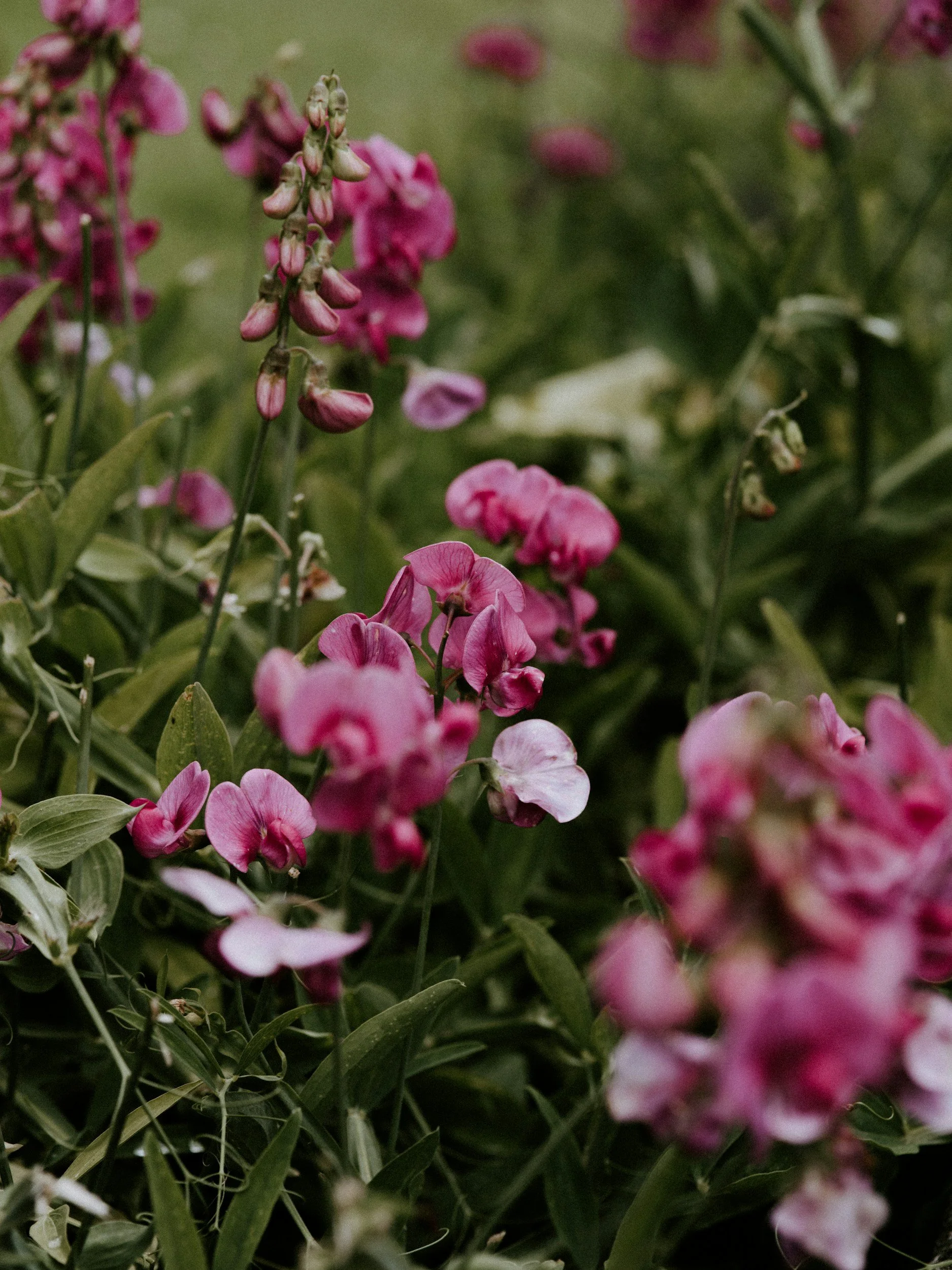
“It is the month of June, the month of leaves and roses, when pleasant sights salute the eyes and pleasant scents the noses,” wrote American writer and editor Nathaniel Parker Willis. Certainly, the roses have had a good year and my garden is at its most fragrant at Midsummer as a result but the scent of June for me is and always has been the Sweet Pea. Not a flower you can find readily in the shops, due to its short shelf-life which makes it all the more special.
There was always a jam jar of sweet peas on the kitchen table in June when I was a girl, sweetly scented and in the most delightful shades of crimson, pink and purple. Picking them from the wigwam in the garden was an almost daily occurrence. The more you pick, the more blooms you have. Like a floral version of the magic porridge pot, without the sticky ending. My mother used to trade a bunch of Sweet Peas for a bag of tomatoes grown in a neighbour’s greenhouse. My job was to walk up the lane in the evening after school and perform the swap.
Green Prescriptions
There’s been a flurry of activity recently both online and locally supporting gardening projects for mental health. GPs and social prescribers are once again looking to community gardens to support recovery for anyone struggling with their mental health, with post-natal depression, with isolation, with bereavement.
I couldn’t be happier to see this happening. I have ‘history’ with therapeutic gardening in the community, with families at the local children’s centre and in many of the schools where I’ve taught and now I’m connected with a new community garden at the nearby hospice where I am developing a cutting patch to work on with clients on Mondays.
The February Cutting Patch
"There is always in February some one day, at least, when one smells the yet distant, but surely coming, summer.” Gertrude Jekyll.
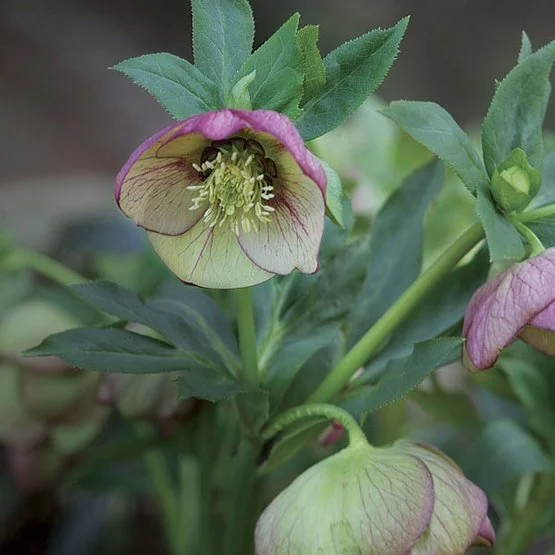
I’m not sure I agree entirely with Ms Jekyll but it is true that in February my garden has moved from mostly shades of green and brown to embracing the purple hues of the warmer months and that is down to the proliferation of crocus in the grass (it’s not a lawn), dwarf iris in pots and hellebores in the borders.
Community gardening
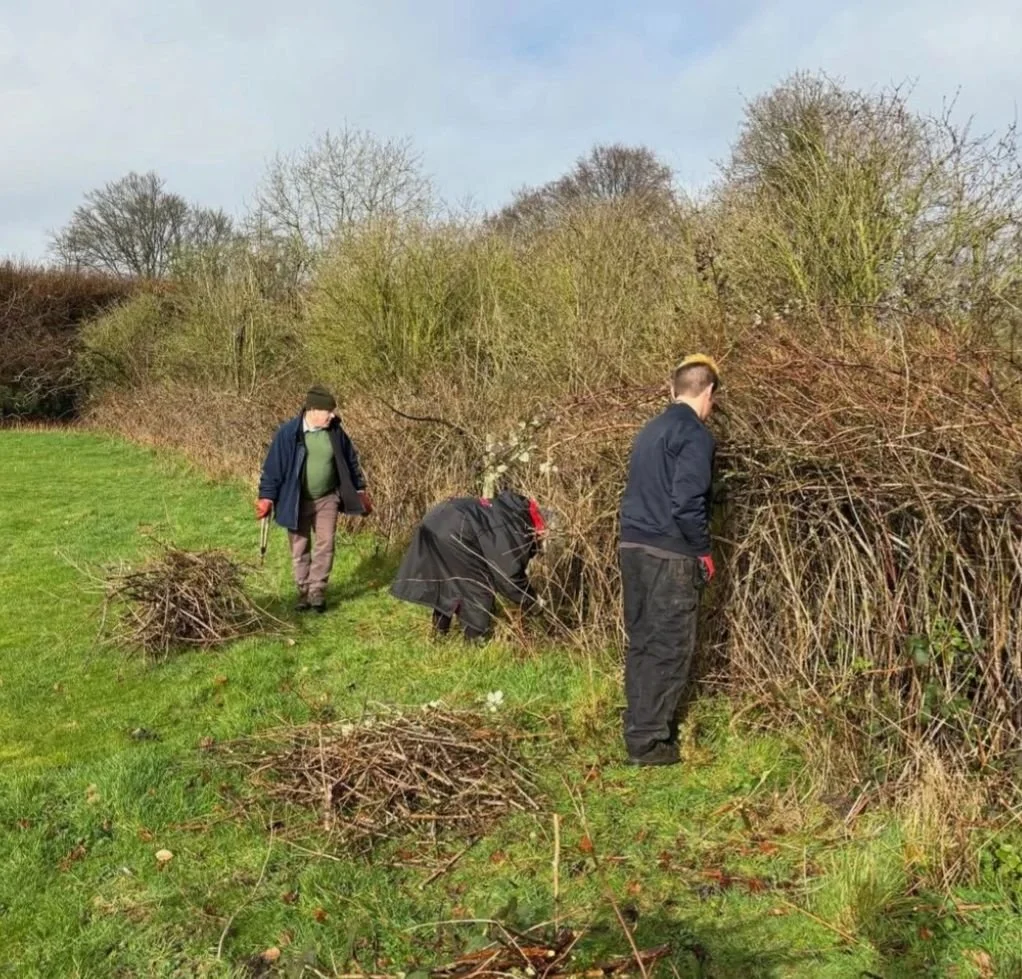
You can't beat working with others in gentle rain outside to create a garden in a field. It's the ultimate wellbeing activity and all the better when you're closing the loop, using what you have and not wasting anything. Community gardens have a long and well-researched history of supporting recovery and wellbeing. Grow for Life have been providing social and therapeutic gardening sessions for people affected by low confidence, anxiety, depression or isolation for years and in this new garden, they’re turning their attention to those navigating grief and loss.
The January cutting patch
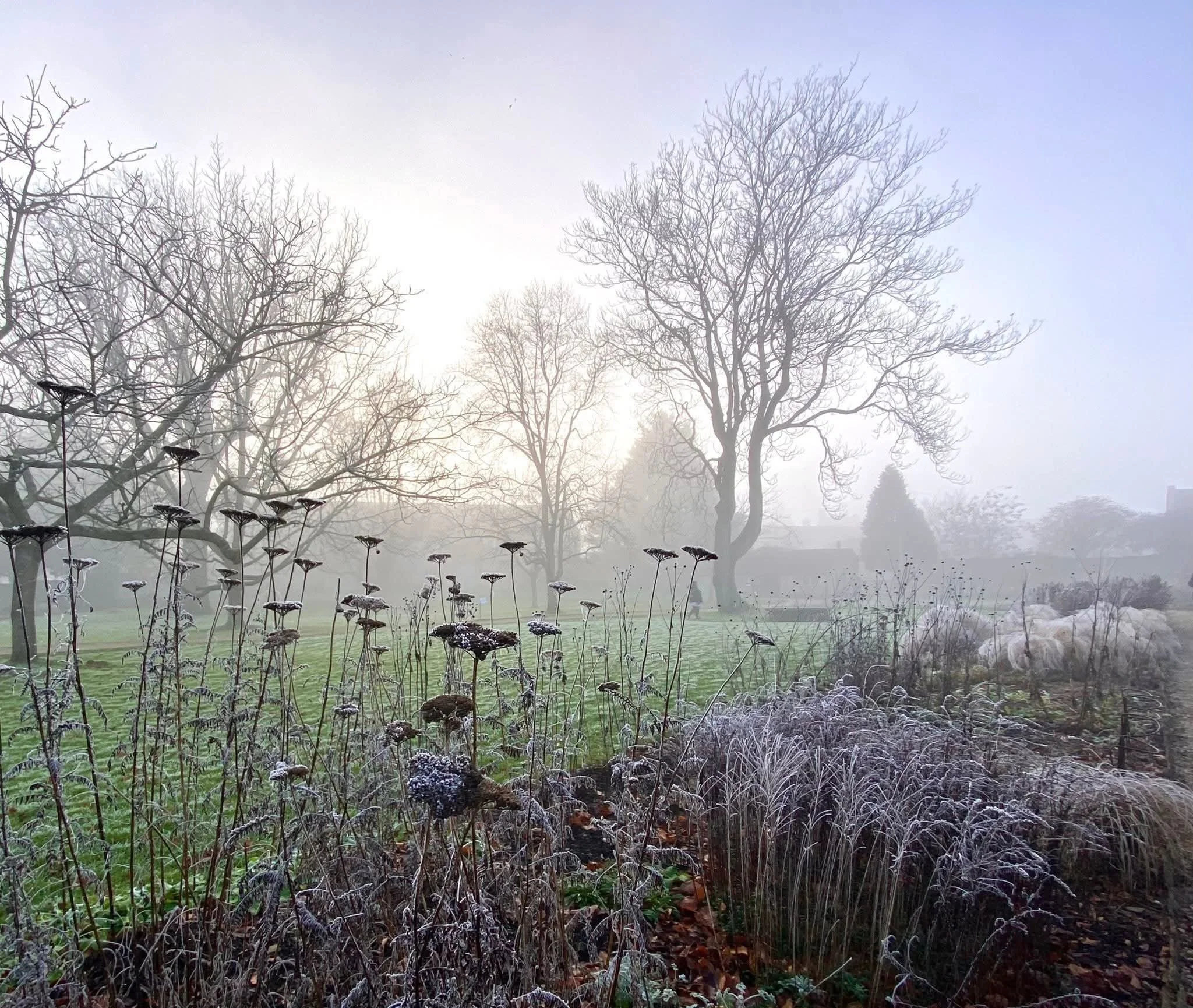
January in the garden is more about dreaming, planning and looking at seed catalogues than doing too much outside, although it’s good to get out there and turn the compost, admire the seedheads and spot the green shoots but whatever the time of year there are always some easy-to-grow, cottage garden plants doing their best to cheer us up.