
Pause and reflect
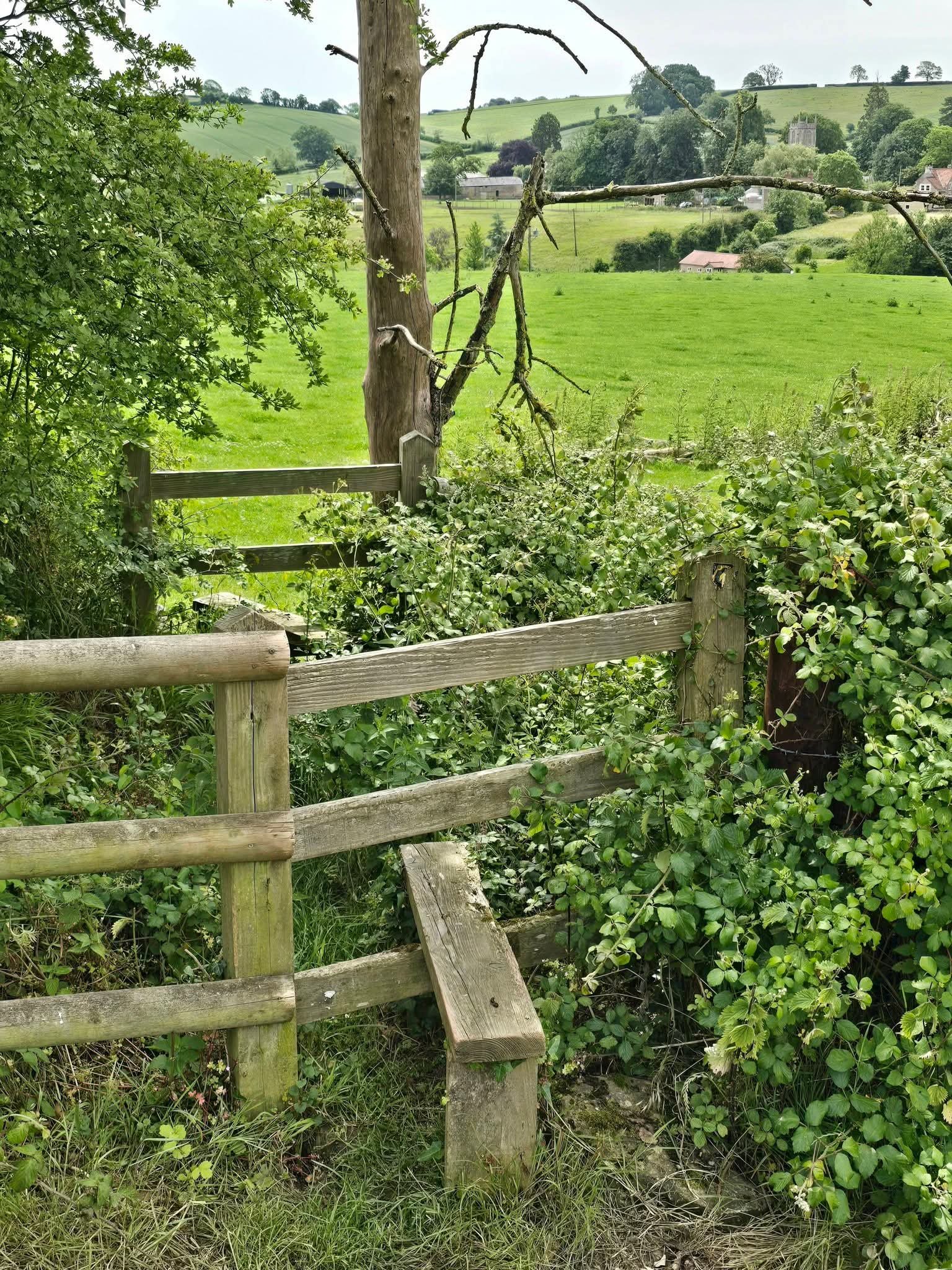
I often use pictures to promote discussion. A creative approach to opening up conversations was bread and butter to me as a teacher and pastoral head but it works just as well in sessions with bereaved clients or individuals thinking about memorial rituals, with couples who are planning their weddings and in coaching A Level students. It’s also a technique I use myself when setting goals for the future. This picture taken by Chris Doel perfectly reflects where I am halfway through the year at the solstice, where day and night are in equal balance, the perfect time to pause and reflect. I’ve come to a crossing point, over one stile and with another to climb, the path ahead clear but for now I’m content to stand in the middle surrounded by wildness, pause, reflect and plan.
The motivation myth
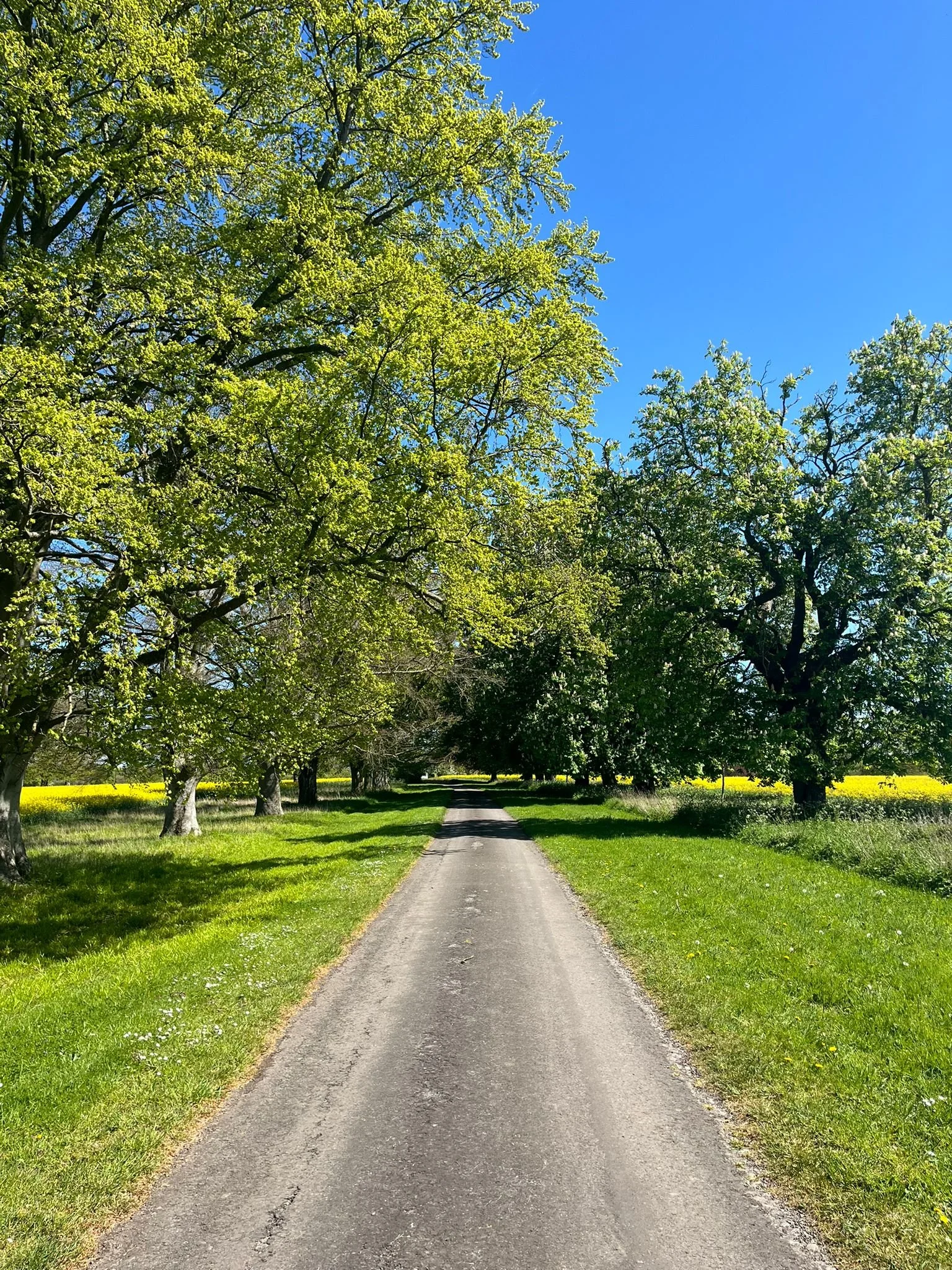
My brief foray back to teaching ends tomorrow. The final A Level English Literature exam is in the morning. From the very first lesson I taught back at Goffs School in 1991 to the last one a couple of weeks ago before the current students went on study leave, the subject of motivation is something we have pondered. There is always a gardening analogy to be found and no better place to illustrate how motivation works than in the garden.
My grief counselling days take me into gardens, onto allotments, and into overgrown plots that clients have been meaning to tackle for months. The conversation that happens most reliably, somewhere between pulling the first weed and filling the first trug, is this: “I don't know why I've been putting this off. I actually feel so much better now I've started.”
They're not imagining it. What they're noticing is a real neurochemical shift, and it happens faster than most people expect.
Mattering
My husband is currently researching the Lynmouth Flood, which marks its 75th anniversary next year, using his well- honed genealogical research skills to flesh out the stories of the people who sadly lost their lives. Conversation inevitably turns to the one recovered victim who has not been identified. Why weren't they reported missing? Who did they matter to? Surely we all hope that we matter to someone?
Mooching around Toppings in Bath after work as I do fairly regularly, I picked up a copy of Mattering by Jennifer Breheny Wallace.
The premise of Wallace’s book is simple, and that’s what made it so readable. Feeling that you matter to someone or somehow doesn’t just give you a warm, fuzzy feeling; it's a core human need, as essential as food or sleep. It’s in our DNA. To our ancestors mattering meant being included in the tribe, safety. Literally a matter of life and death.