
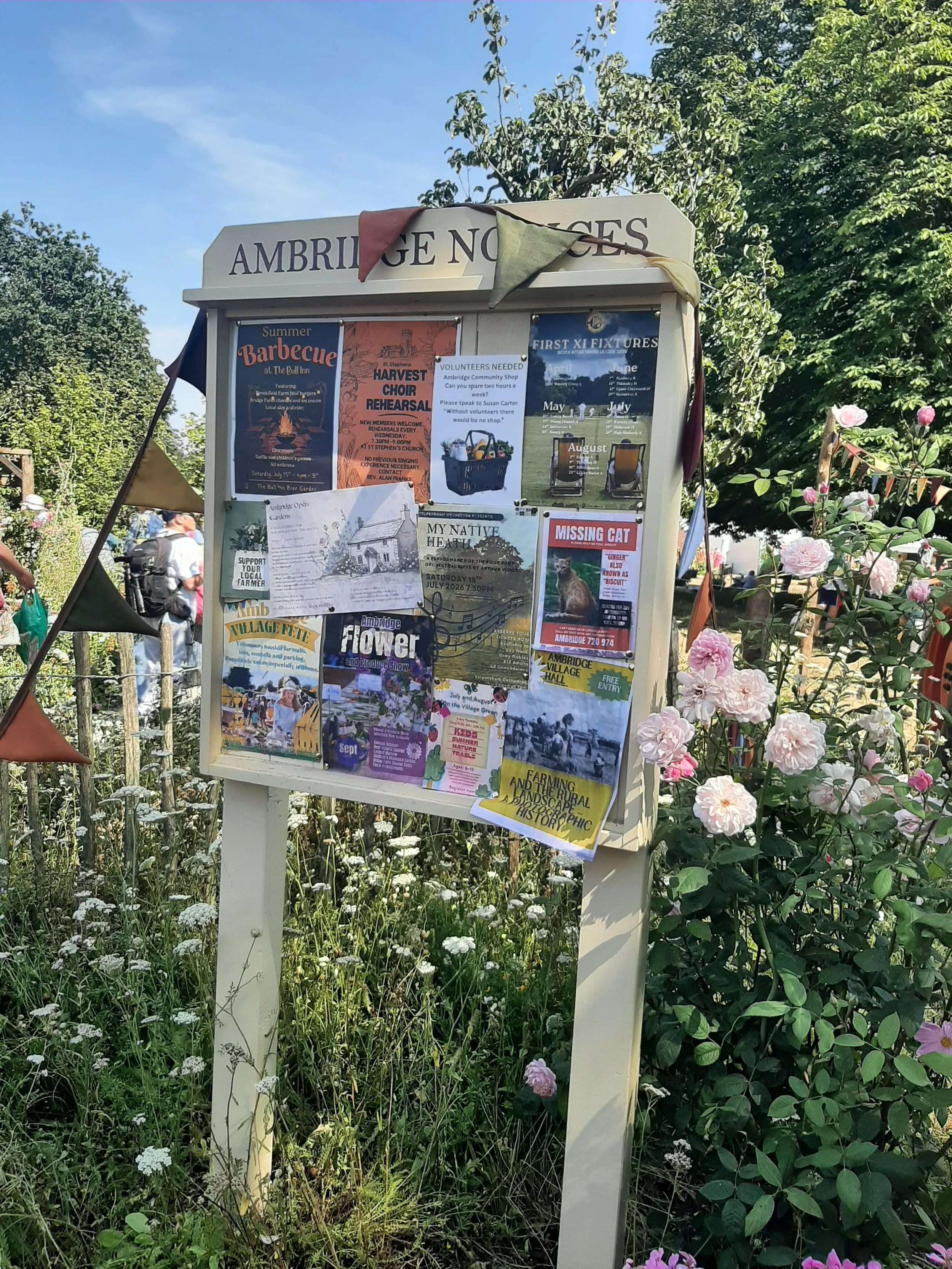
Belonging
It’s been a week of community and belonging. I've been lucky enough to belong to several quite different communities over the years, and each has taught me something slightly different about what it means to show up for other people, and to let them show up for you. And this week was a celebration of this, topped off with a visit to the Archers tribute garden at RHS Badminton. (Yes I am a paid-up member of the Archers Addicts.)
I’m reflecting on three communities to which I belong and what they bring to the people who belong to them.
The village gardening club
A new grief cafe in my local town
The professional network I joined when i stopped working full-time in school

Pen and ink
On Saturdays (and occasionally in midweek) I conduct weddings. As a legal registrar, sometimes I conduct the ceremony and sometimes I take care of all the legal aspects of the marriage. Invariable every couple or witness remarks on the use of a fountain pen to make any additions to the marriage schedule and sign it. And it isn’t only the use of pen and ink that elicits comments, it’s the fact that people don’t write by hand so much (or at all) any more.
I ran a little unofficial poll recently, and the result pleased me more than it probably should have. The handwritten list is still the favourite. Not an app. A pen, paper, and actual handwriting.
On the move
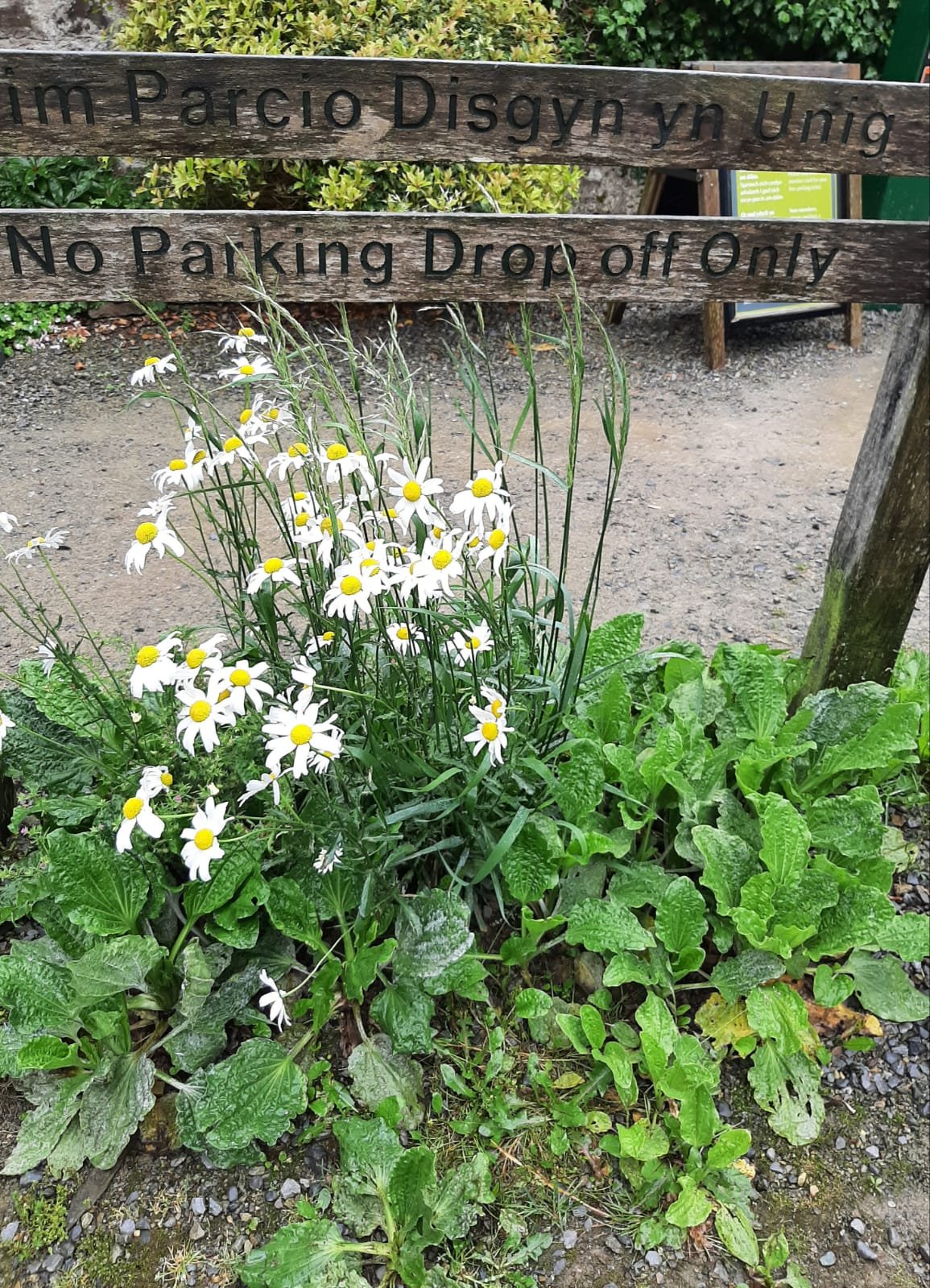
So far, 2026 has been a year of significant change. Even for me, a person who thrives on the variety and busyness of what my daughter calls “a finger in many pies”, this amount of change has left me feeling that I am dropping off only. Never parking up and turning off the engine. Frankly, it all seems a little out of control, much like the garden after the rapid growth of midsummer. What I need is a routine.
At the other end of the busyness spectrum are A Level students who have just finished their exams or graduates struggling to find a permanent job. They now have significant time on their hands after months of high-stakes activity. After much-needed downtime, the state of having nothing to do loses its sparkle. On days when there are no demands, you can feel equally exhausted and out of kilter. The solution is to establish a routine.
Having a routine of sorts, even on lazy days keeps you grounded, creative, connected and productive - four facets of a healthy life. Gently encouraging a sense of purpose and a goal for each day, however small, gives some vital control.
Pause and reflect
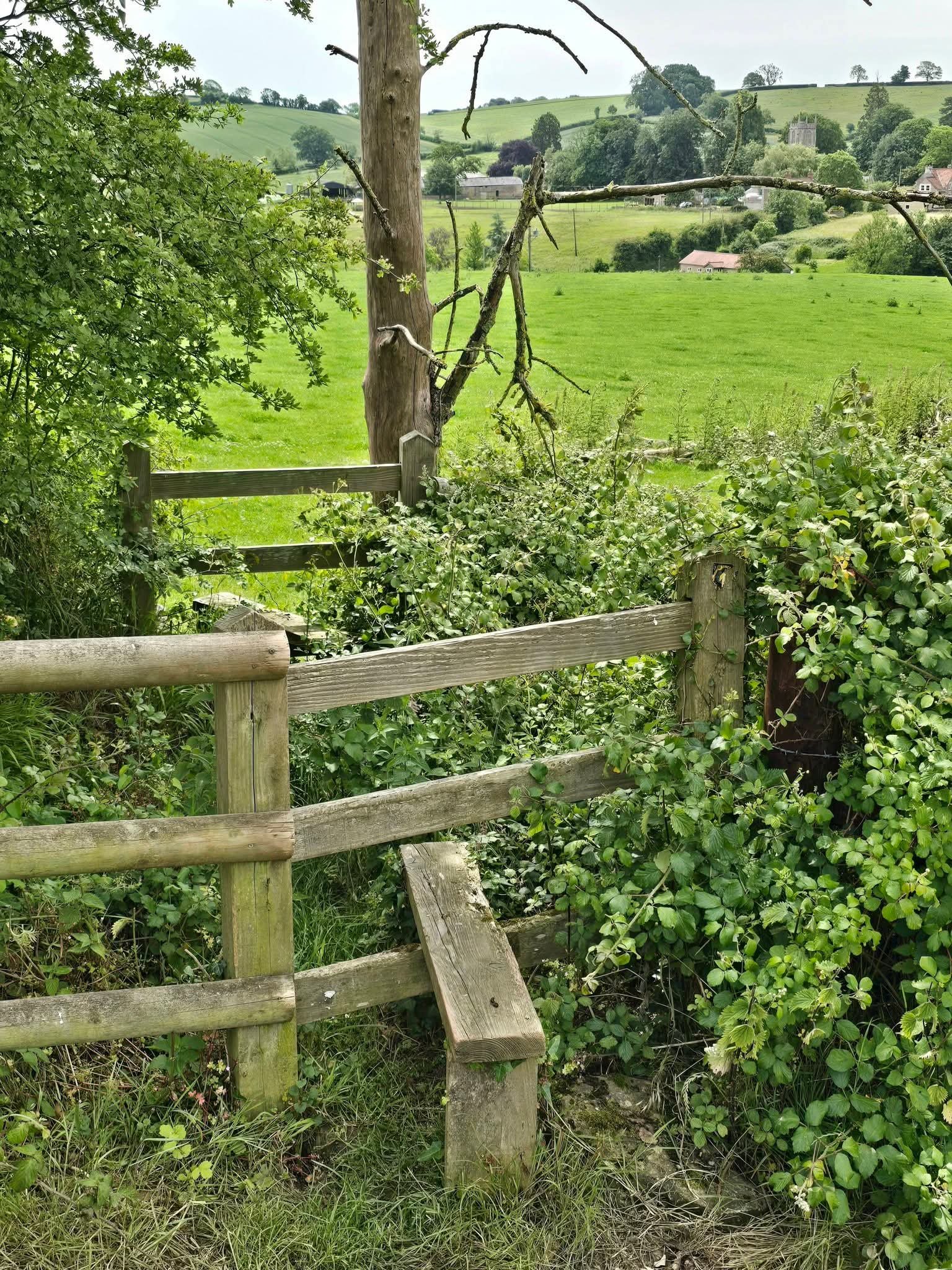
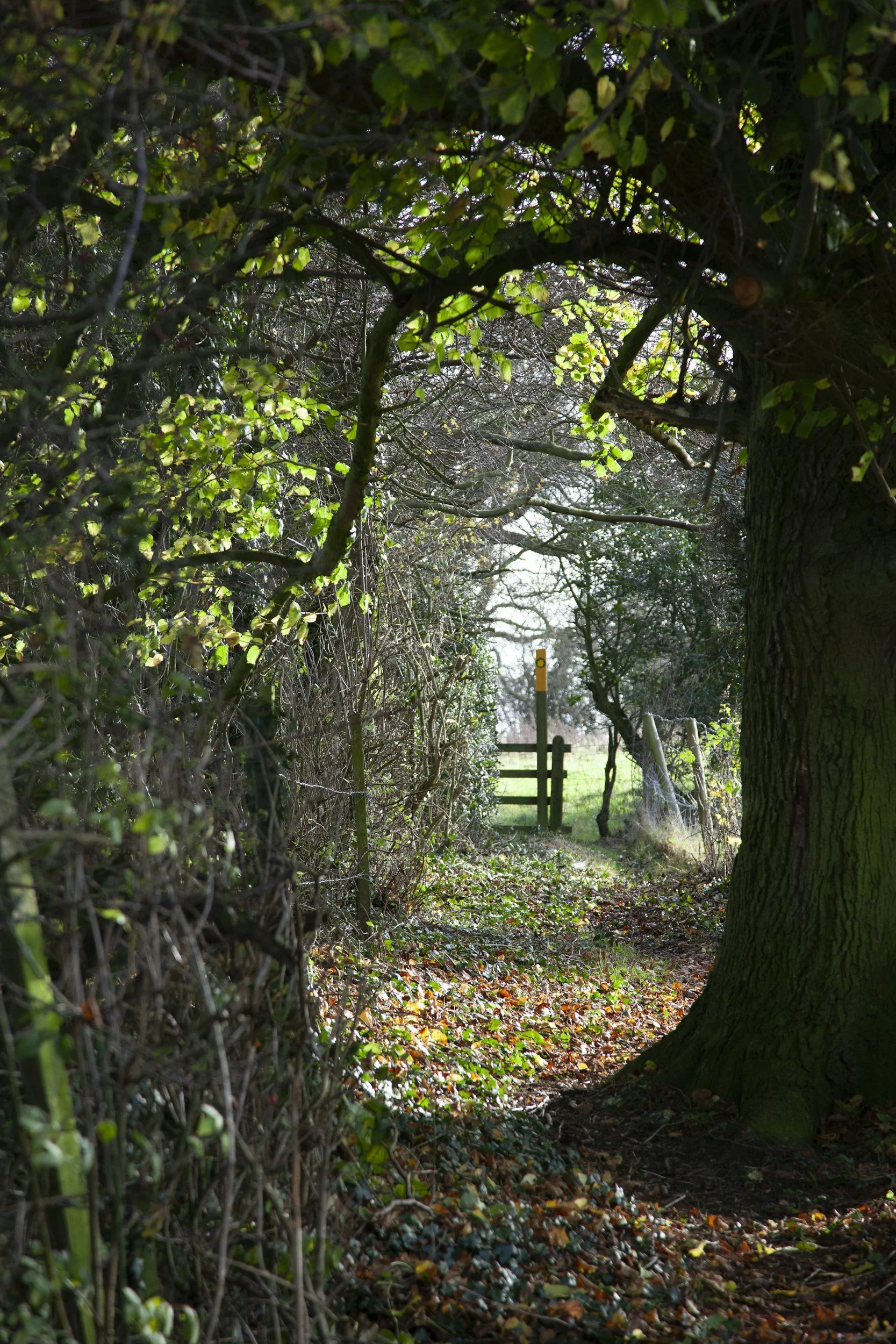
I often use pictures to promote discussion. A creative approach to opening up conversations was bread and butter to me as a teacher and pastoral head but it works just as well in sessions with bereaved clients or individuals thinking about memorial rituals, with couples who are planning their weddings and in coaching A Level students. It’s also a technique I use myself when setting goals for the future. This picture taken by Chris Doel perfectly reflects where I am halfway through the year at the solstice, where day and night are in equal balance, the perfect time to pause and reflect. I’ve come to a crossing point, over one stile and with another to climb, the path ahead clear but for now I’m content to stand in the middle surrounded by wildness, pause, reflect and plan.
Green Prescriptions
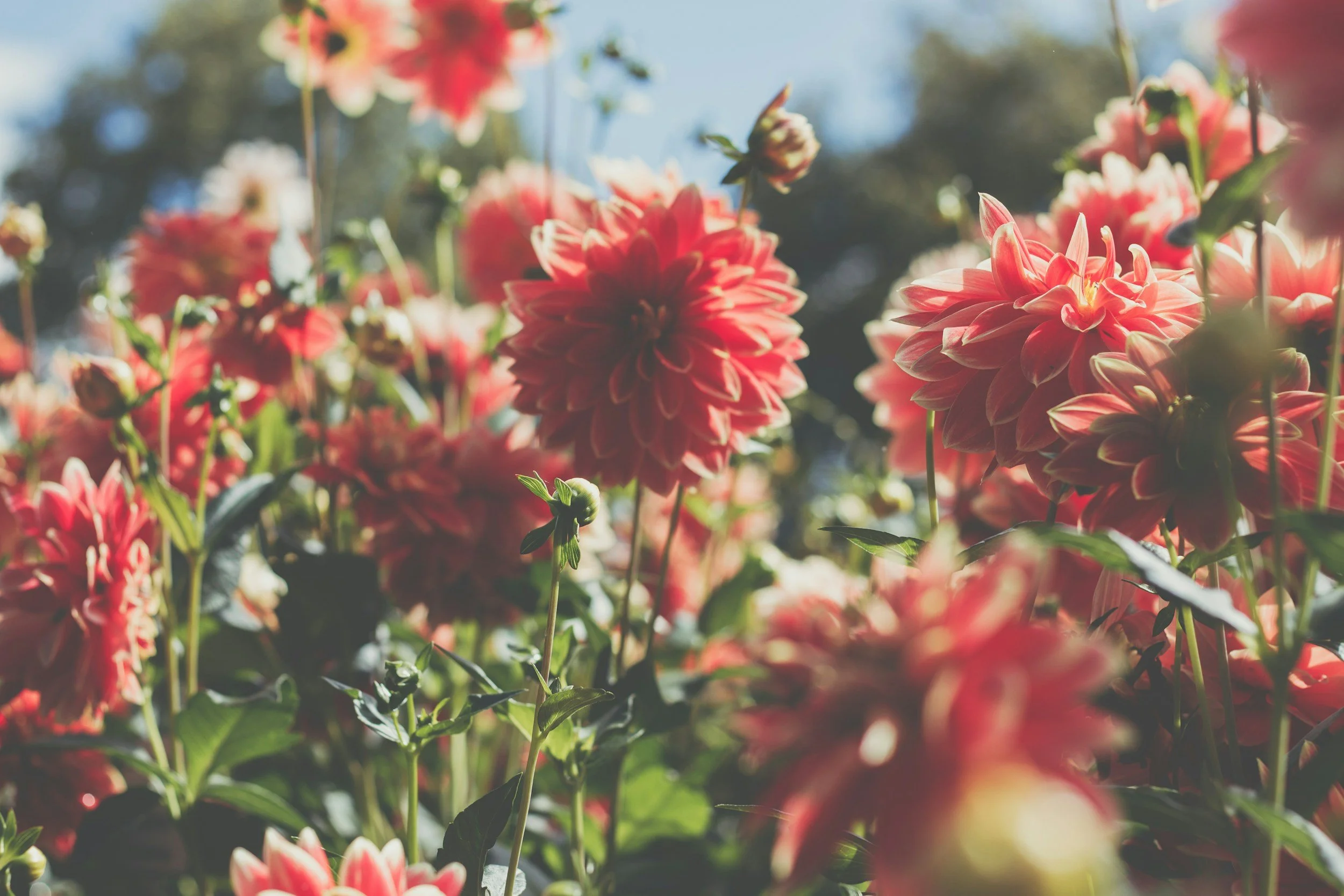
There’s been a flurry of activity recently both online and locally supporting gardening projects for mental health. GPs and social prescribers are once again looking to community gardens to support recovery for anyone struggling with their mental health, with post-natal depression, with isolation, with bereavement.
I couldn’t be happier to see this happening. I have ‘history’ with therapeutic gardening in the community, with families at the local children’s centre and in many of the schools where I’ve taught and now I’m connected with a new community garden at the nearby hospice where I am developing a cutting patch to work on with clients on Mondays.
The spirit of place
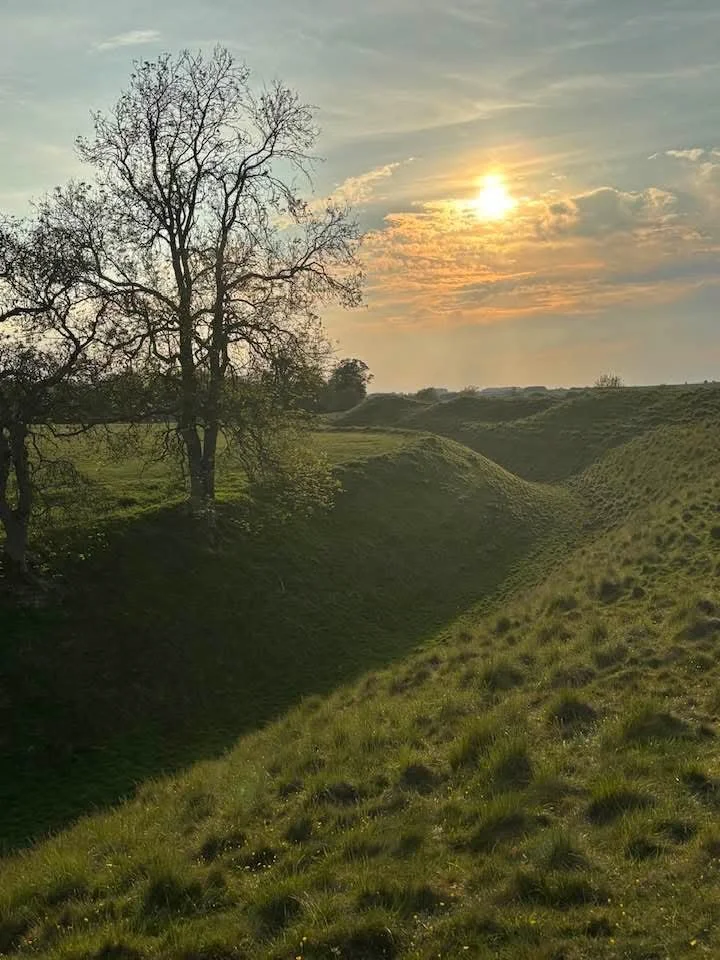
There’s no question that some places make you feel like you’ve come home. Wander through them or sit in them and you’ll soon find that breathing slows, muscles relax and all’s right with the world. It’s the spirit of place or ‘genius loci’, as the Romans termed it at work. For me, a Celt now settled in Wiltshire the Avebury landscape (pictured by my friend Ann Slaymaker) has it in spades, the lanes around the village of Holt, which I walked every day with my infant children, the wildflower meadow near Great Chalfield Manor and any number of old, abandoned churches, woodland glades and walled gardens.
I’ve been harnessing the "spirit of place" in my sessions with bereaved clients
The motivation myth
My brief foray back to teaching ends tomorrow. The final A Level English Literature exam is in the morning. From the very first lesson I taught back at Goffs School in 1991 to the last one a couple of weeks ago before the current students went on study leave, the subject of motivation is something we have pondered. There is always a gardening analogy to be found and no better place to illustrate how motivation works than in the garden.
My grief counselling days take me into gardens, onto allotments, and into overgrown plots that clients have been meaning to tackle for months. The conversation that happens most reliably, somewhere between pulling the first weed and filling the first trug, is this: “I don't know why I've been putting this off. I actually feel so much better now I've started.”
They're not imagining it. What they're noticing is a real neurochemical shift, and it happens faster than most people expect.
The May Cutting Garden
Have you been watching the Chelsea Flower Show this week? Perhaps you fought your way through the crowds on the site itxelf. Several of the good folks who came to our gardening club plant sale yesterday were keen on the idea of naturalistic planting and pops of colour. Planting for pollinators all year roundis much more popular these days. Those of us who grew up with cottage gardens, where veg nestled cheek by jowl with cutting garden flowers would have felt right at home at Chelsea this year. May really is a great time for a flower show and a plant sale.
"May is the month of expectation, the month of wishes, the month of hope" wrote Emily Brontë and that is certainly true in my garden. Whilst the spring bulbs have gone over, everything is lush and green. Perennials are reappearing to fill every available space; there are plenty of seedlings to plant out; the dahlias are underway; paeonies are blooming and, if I’m lucky (or vigilant), the roses are free of blackspot and greenfly for a while.
Be Nice to Nettles Week
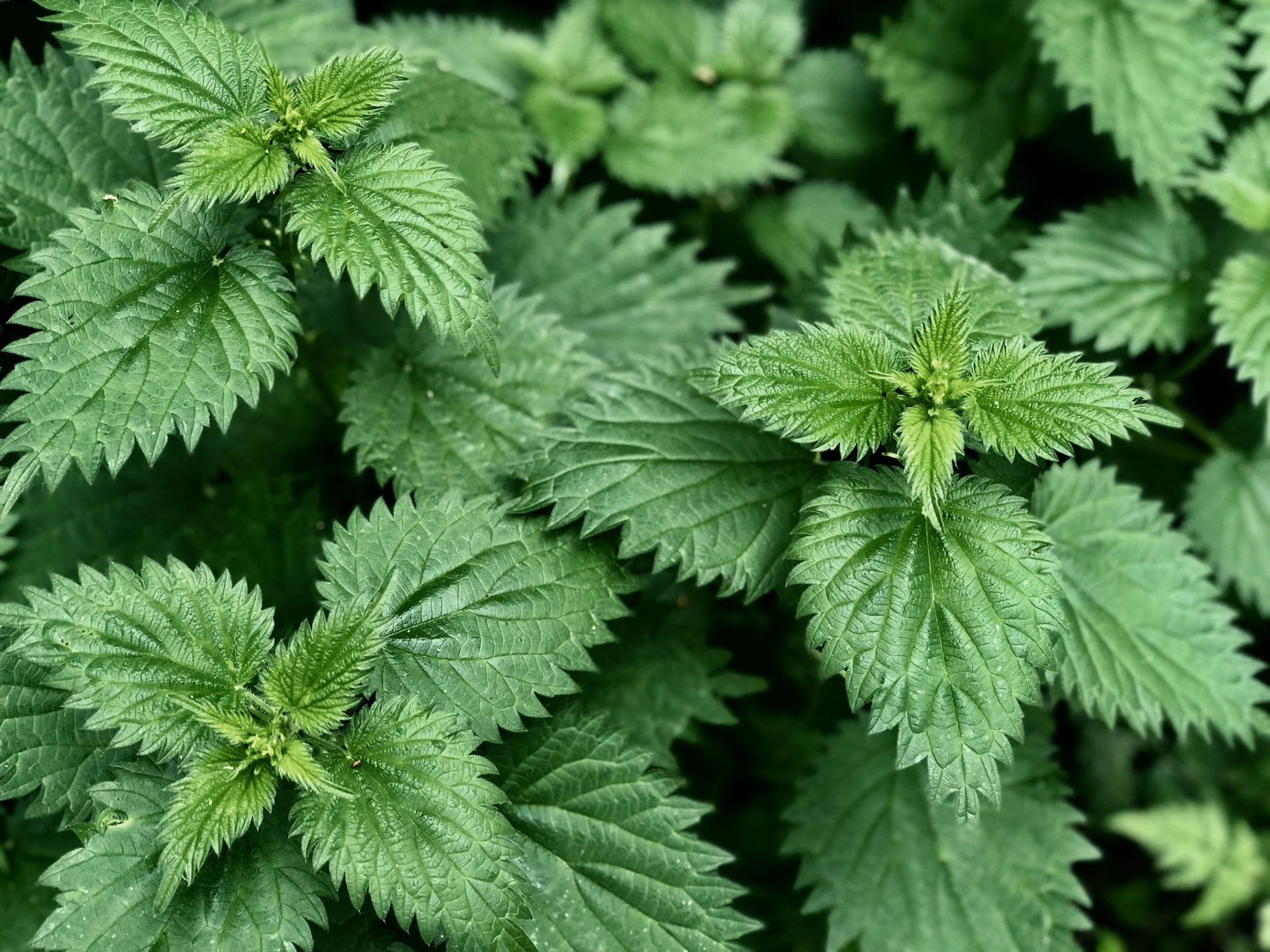
I popped into the new Grow for Life garden up at the local hospice on my way back from school this week to scope out the site for my new little cutting patch and got myself stung by the patch of nettles growing at the gateway. It was my own fault - dressed for an exam briefing/motivational speech to year 13 prior to their first A Level exam rather than gardening. This is one week when we should be celebrating nettles and can legitimately pretend that any nettle patch in allotment or garden is by design rather than default.
It’s Be Nice to Nettles Week, a “vibrant annual event that shines a spotlight on the humble nettle plant” and encouraging us “ to appreciate the ecological and health benefits of nettles”. May is all about wildness rather than cultivation with No Mow May as well as this celebration of nettles, so I am leaning into it.
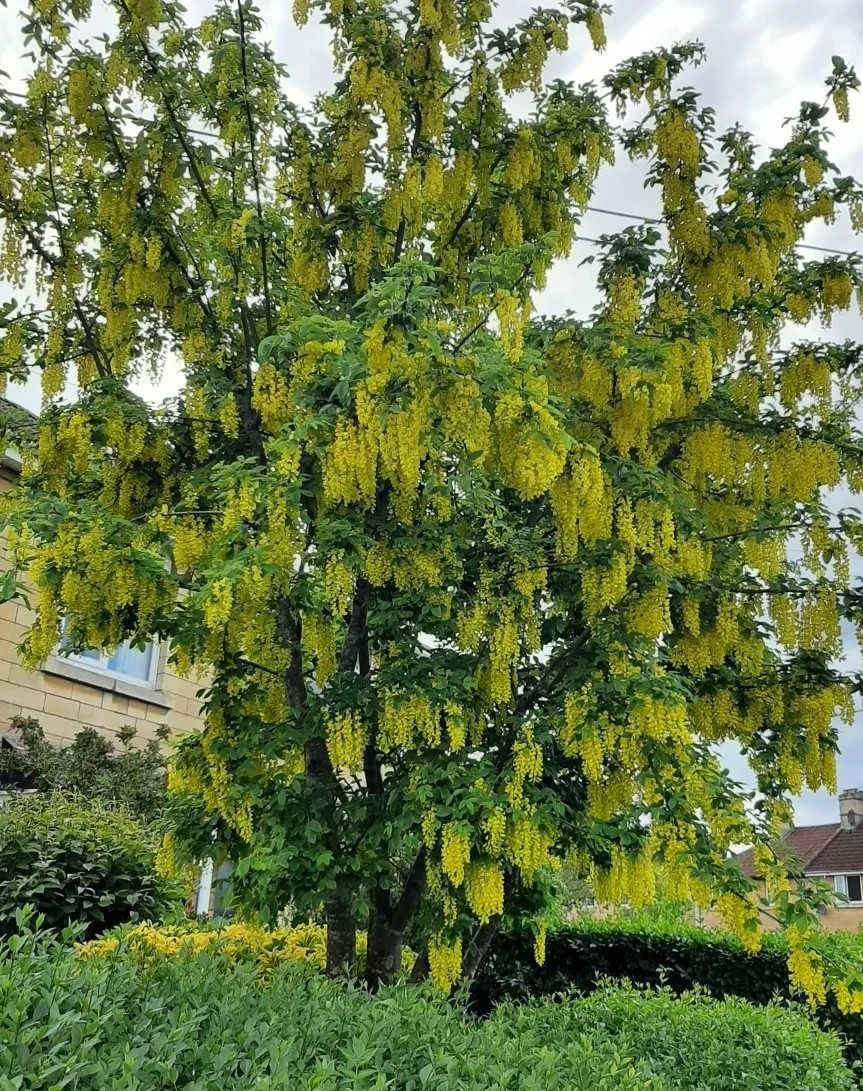
The laburnum - lessons in loss and healing
It’s been the best year for our front garden laburnum tree. I planted it not long after we moved into our current home and despite its deserved reputation for being beautiful but poisonous, it was a deliberate choice.
Full disclosure: this was the house I never wanted to move into. There is a particular grief in moving to a house you didn't want. Not the grief of loss exactly; more a persistent ache of resignation, of accepting that life will be different from the one you had planned. There is nothing wrong with our house in purely practical terms. It is absolutely fine. The rooms are fine. The street is fine and not too busy. The neighbours are friendly. It’s a short walk into town and to school when the children were little. Everything is fine. But fineness, when you had wanted something else entirely, can feel gently suffocating. Like living in a a world of pastel shades when you want jewel colours.
Mattering
My husband is currently researching the Lynmouth Flood, which marks its 75th anniversary next year, using his well- honed genealogical research skills to flesh out the stories of the people who sadly lost their lives. Conversation inevitably turns to the one recovered victim who has not been identified. Why weren't they reported missing? Who did they matter to? Surely we all hope that we matter to someone?
Mooching around Toppings in Bath after work as I do fairly regularly, I picked up a copy of Mattering by Jennifer Breheny Wallace.
The premise of Wallace’s book is simple, and that’s what made it so readable. Feeling that you matter to someone or somehow doesn’t just give you a warm, fuzzy feeling; it's a core human need, as essential as food or sleep. It’s in our DNA. To our ancestors mattering meant being included in the tribe, safety. Literally a matter of life and death.
The April Cutting Garden
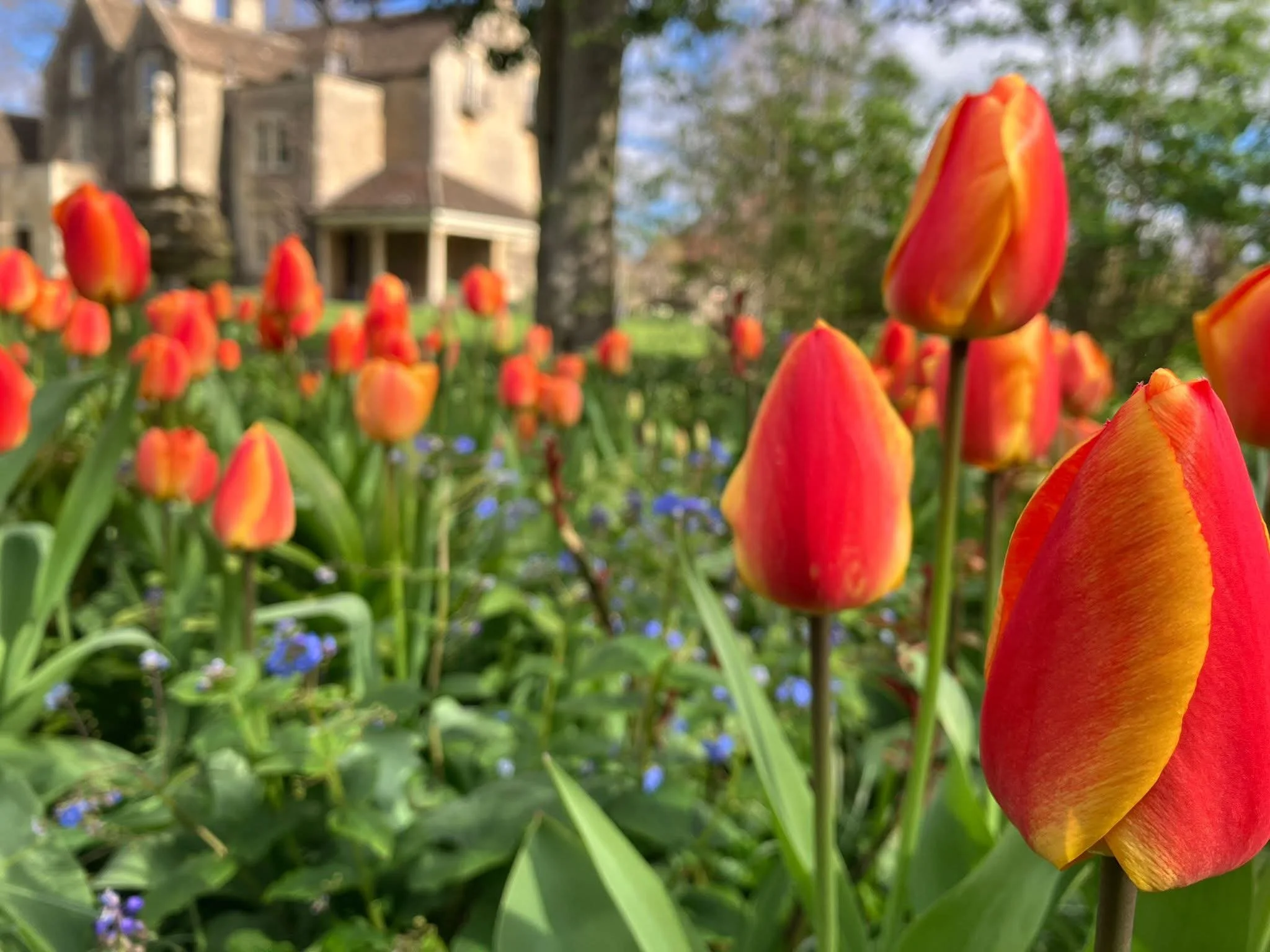
In April the tulip is centre stage in many gardens. “In my plot no tulips blow” wrote Ralph Waldo Emerson and I can relate. Tulips are one of the world’s most recognisable flowers, found in many people’s homes and gardens. So beautiful - until they are past their best and flop over in the border in the messiest of ways. Who needs that level of stress? But it is hard to resist their beautiful colours and shapes when the bulb catalogues drop onto the doormat in July.
April is one of the best times of year in my garden.
Significant Signposts
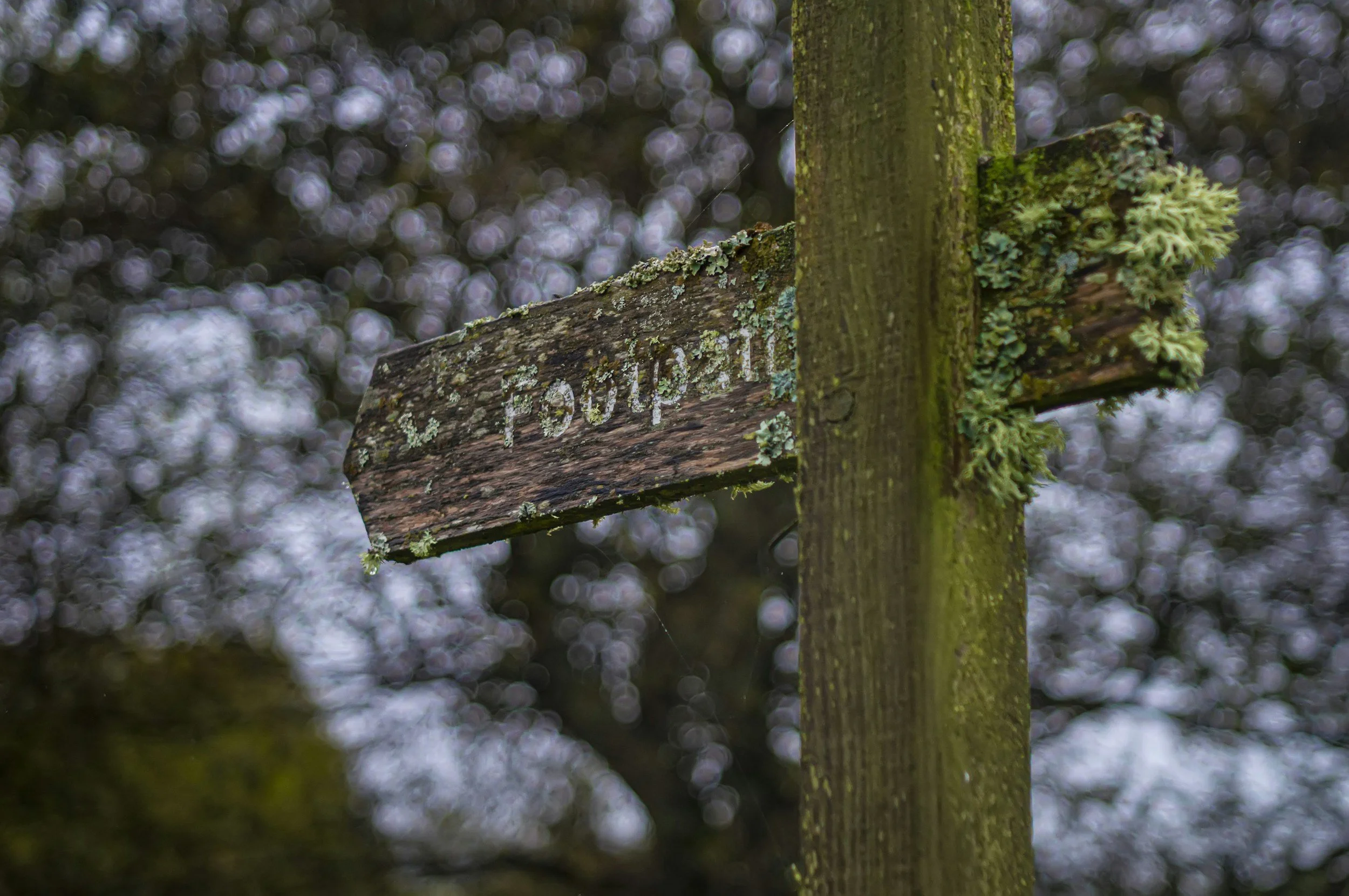
There are weeks when the universe is determined to lead you somewhere. This was one of those weeks. On almost every day and in numerous ways I have been confronted by signposts. They’ve popped up everywhere, quite literally.
It started with a casual remark on the radio by someone about ‘significant signposts’ in their life.
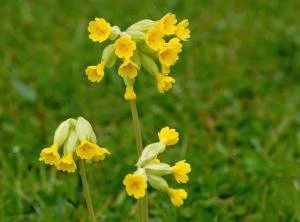
Leaning into Spring's expansiveness
Back in the dark ages of the 1970s (quite literally, if you remember power cuts and the three day week), teachers could happily run with a child’s natural curiosity and set open-ended projects as valid educational experiences. My passion of the moment was wild flowers and plants, whilst my desk neighbours were big into beef cattle and rugby. (It was rural Wales, after all). I spent every spare minute for six weeks roaming the lanes and fields, collecting flowers, pressing them, sketching and photographing them on my Kodak Instamatic camera.
As well as the obvious benefits of being able to do independent research on something I loved I remember those weeks in Spring as being a golden time. Was it a case of looking back through rose-tinted spectacles or was something bigger at work there? I’m still a researcher and so I did what comes naturally and found out. It turns out I’m onto something.
Thin places
Standing in silence with a few others this morning in an ancient churchyard, surrounded by birdsong, primroses and daffodils as the sun rose and the flames flickered in a nearby firepit put me in a thin place. It is easy to imagine many generations doing the same on Easter Day at dawn. It was a moment of connection.
To the Celts ( of which I am one) thin places were those where the presence of a higher being/heaven/creative force is almost tangible. Places where you feel an energy or spirit greater than yourself. Something beyond words, where the ordinary and the extraordinary intermingle. A place where the boundary between the physical world and a mystical or spiritual one is believed to be exceptionally thin, thus facilitating a moment of connection between the two. In thin places you may find your imagination ignited by thoughts of what has been before you.
The March Cutting Patch
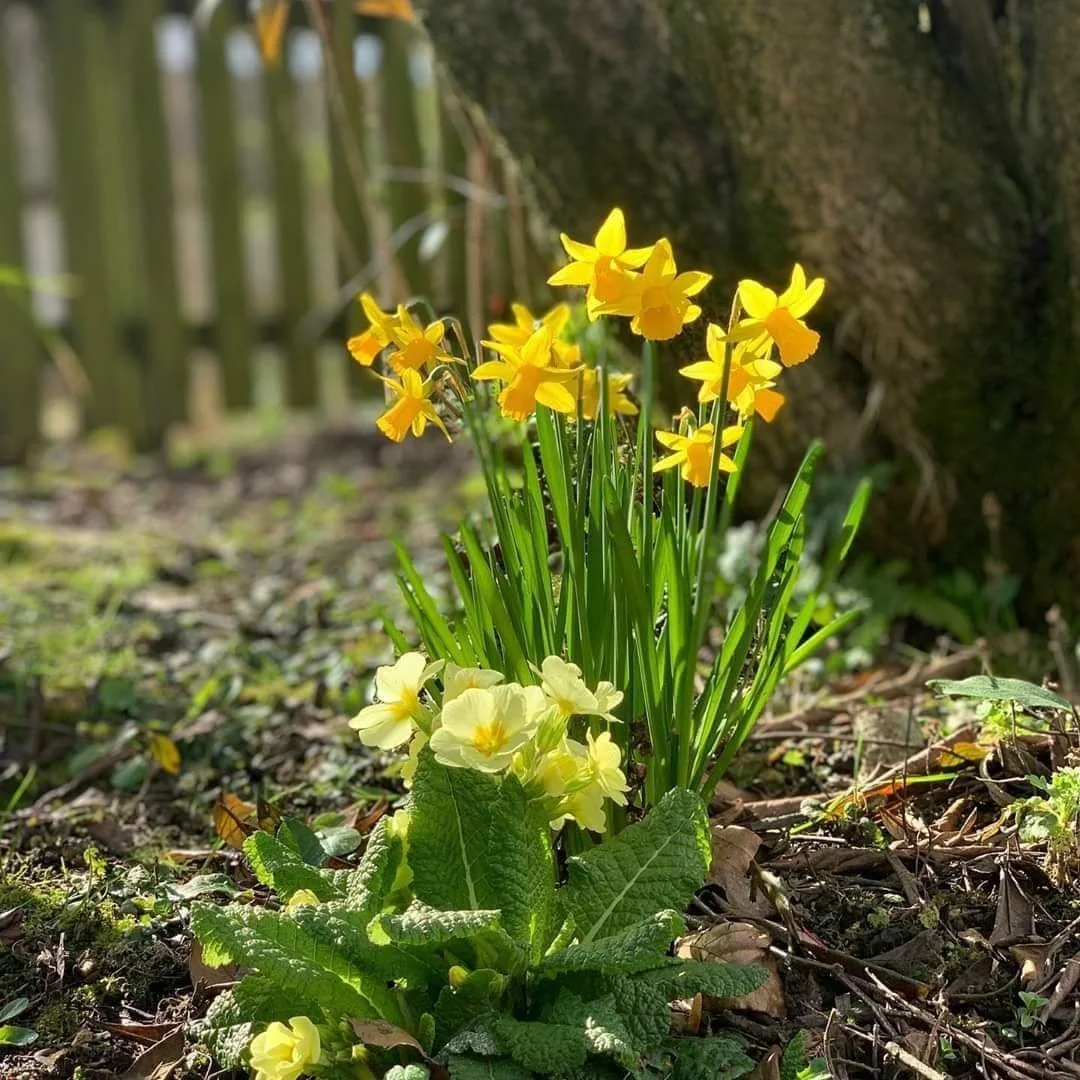
March in the garden is truly transformational. By the end of the month the snowdrops are over, and the tulips have been joined by anemones and flowering shrubs. Larkspur and peonies are poking through and the roses are growing apace. Burgeoning is a good description. It changes daily but the one constant through the whole of March are the daffodils.
If ever there was a perfect flower for a Welsh woman’s cutting patch, the daffodil is it.
Spring
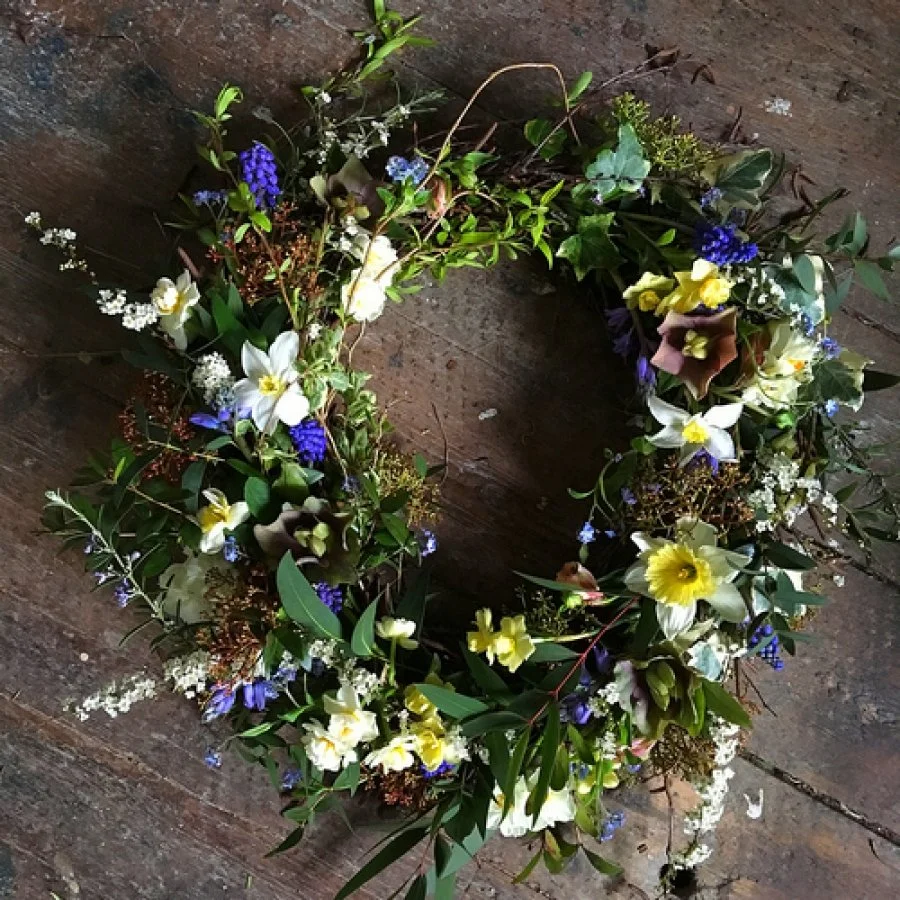
The Spring Equinox – day and night, light and dark in equilibrium – brings first a calmness and then a burst of energy. There’s a time for everything. Why fight it? Resolutions and good intentions to start projects are doomed to failure in the dead of winter when, surely, we are meant to hunker down inside, reflect and go slow? If you want to start a project, a good habit or make a change, now is the right time. You won’t want to fight it. Just go with the flow, the surge of energy and you’ll be pulled along.
So here are six simple ways to celebrate the season and establish good habits – one for every day of the week and a day off to just ‘be’.
Mothering
Here in the UK it’s Mothering Sunday, a day traditionally when servants had time off to travel back to visit home, their mother church and their families. The boom in commercialisation of ‘ Mother’s Day’ shines a spotlight on anyone who has a difficult, broken or non- existent relationship with their mother; for those who yearn to mother, grieve for dead mothers, mother alone or fulfill the roles of both mother and father.
Mothering is an elastic term. Some mother their friends, their neighbours or even their own parents as they become older and less independent. I have a friend who has mothered hundreds of teenagers over the years in her professional role in schools despite not having any children of her own. It started me thinking about what are the standout qualities of mothering (and I’m talking not just for women; anyone can mother) and what tiny steps could we all take to move closer towards them?

Mothers and Daughters
My daughter has spent the last month paragliding over Indonesian clifftops, climbing mountains and descending into volcanoes whilst I've sowed seeds, pruned the roses and potted on cobaea seedlings and all's right with the world.
It’s a woman thing in our house -sowing seeds and being curious. Nurture in the home and adventure outside it. Every year on International Women’s Day we honour the women who shape our lives. But in amongst the posts about the pioneers who broke the mould, the women who refused to conform, who succeeded against the odds, the achievers there is a quieter story that that unfolds every day in the shared moments between mothers and daughters.
It’s in what is valued, what is instilled, what is encouraged and what is modelled by one generation to the next and so today I want to celebrate that.
Pottering
I'm a fan of pottering about. I've done it all my life, often in the garden or on the allotment - as a child, as a young Mum with three small children and especially in the teaching years as an antidote to the endless doing. Pottering is more akin to being - something we could all do with a larger dose of in a world where being busy is king.
Most of us embraced the pottering habit more when modern ways of doing things came to a halt in the lockdown months. At that time I came across a little book by Anna McGovern about this quintessentially British subject. McGovern suggests that “Pottering is one of a number of coping strategies that you can do when you feel a bit frazzled.